Tourism
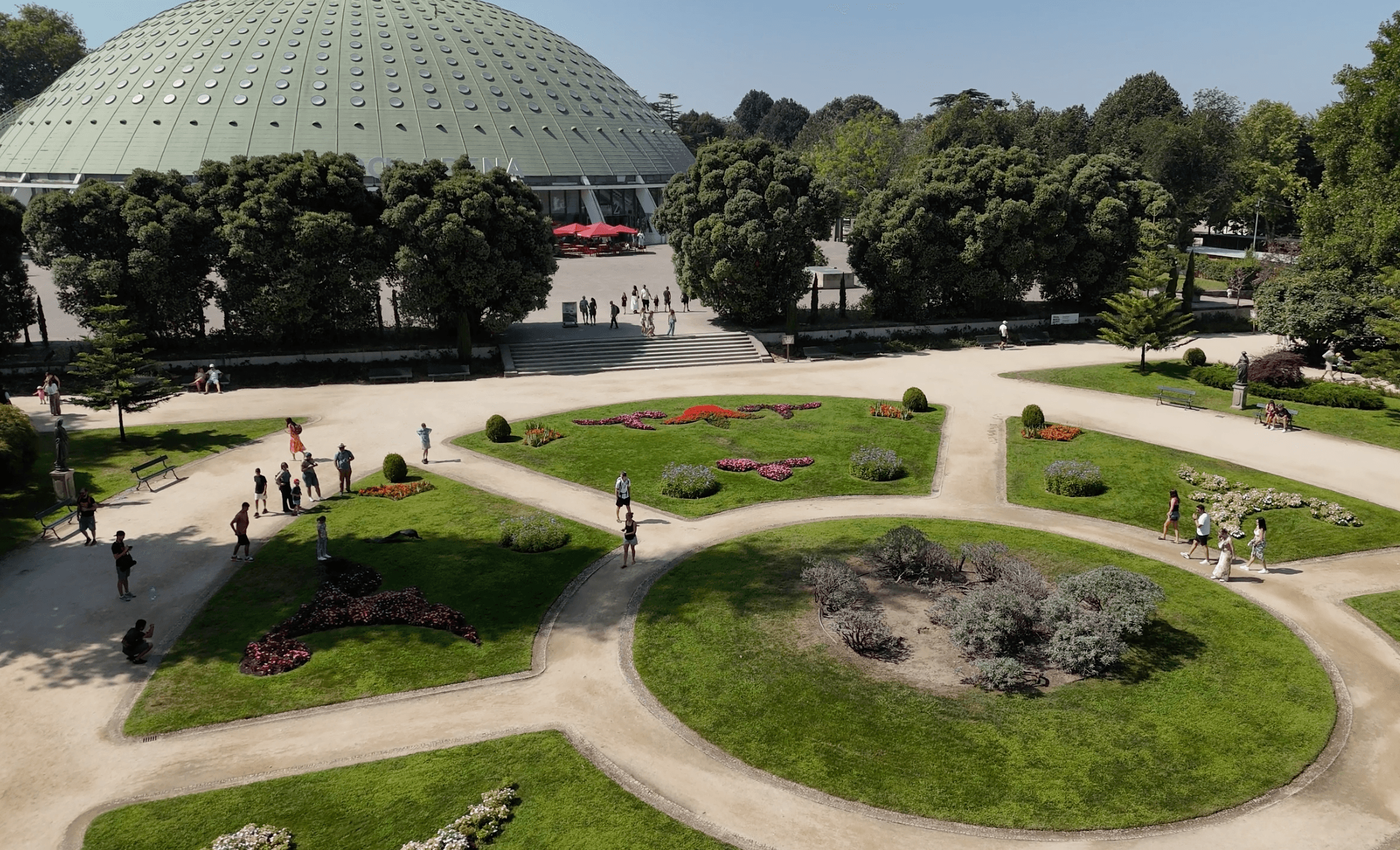
Jardins do Palácio de Cristal host three days of free activities for children


Amin Chaar
One of Porto’s most unusual historical treasures was once again put on public display in September 2026. The preserved heart of King Pedro IV exhibited at the Church of Lapa, offering visitors a rare opportunity to see a relic closely connected to the history of Porto and Portugal.
The heart is being displayed from 25 to 27 September in the Salão Nobre of the Lapa Brotherhood. The exhibition also explored the remarkable relationship between Pedro IV and the city.
Pedro IV, also known as Pedro I, Emperor of Brazil, played an important role in both Portuguese and Brazilian history. In Portugal, he became particularly associated with Porto during the Liberal Wars.
In 1832, Pedro IV and his supporters arrived in the north of Portugal and established Porto as a stronghold of the liberal movement. The city then endured the famous Siege of Porto, which lasted from 1832 to 1833.
During this period, Pedro developed a strong connection with the people of Porto. His role in the liberal struggle became an important part of the city's history, and his relationship with Porto continued after his death.
Pedro IV died in 1834. In accordance with his wishes, his heart was separated from his body and brought to Porto in 1835. It was taken in procession to the Church of Lapa, where it has been preserved ever since.
The heart is kept inside a specially designed mausoleum at the Church of Lapa and is normally not accessible to the public. Because of its fragile condition and historical importance, exhibitions such as the one held in September are relatively rare.
The story makes the Church of Lapa one of the more unusual historical places to visit in Porto. Beyond its religious and architectural importance, the church preserves a direct connection with one of the most significant political periods in Portugal's modern history.
For travellers interested in discovering a different side of the city, the story of Pedro IV's heart offers a fascinating glimpse into Porto's past; and a reminder of the important role the city played in shaping Portugal in the 19th century.
Source: Voz Portucalense. Non-original articles are adapted from the mentioned Portuguese sources as part of our mission to bring region information to international readers. If any of this content is copyright-protected and you wish to request its removal or modification, please contact us.