Culture
MALHA: Porto Looks Back at Its Cultural Future With New Porto 2001 Exhibition

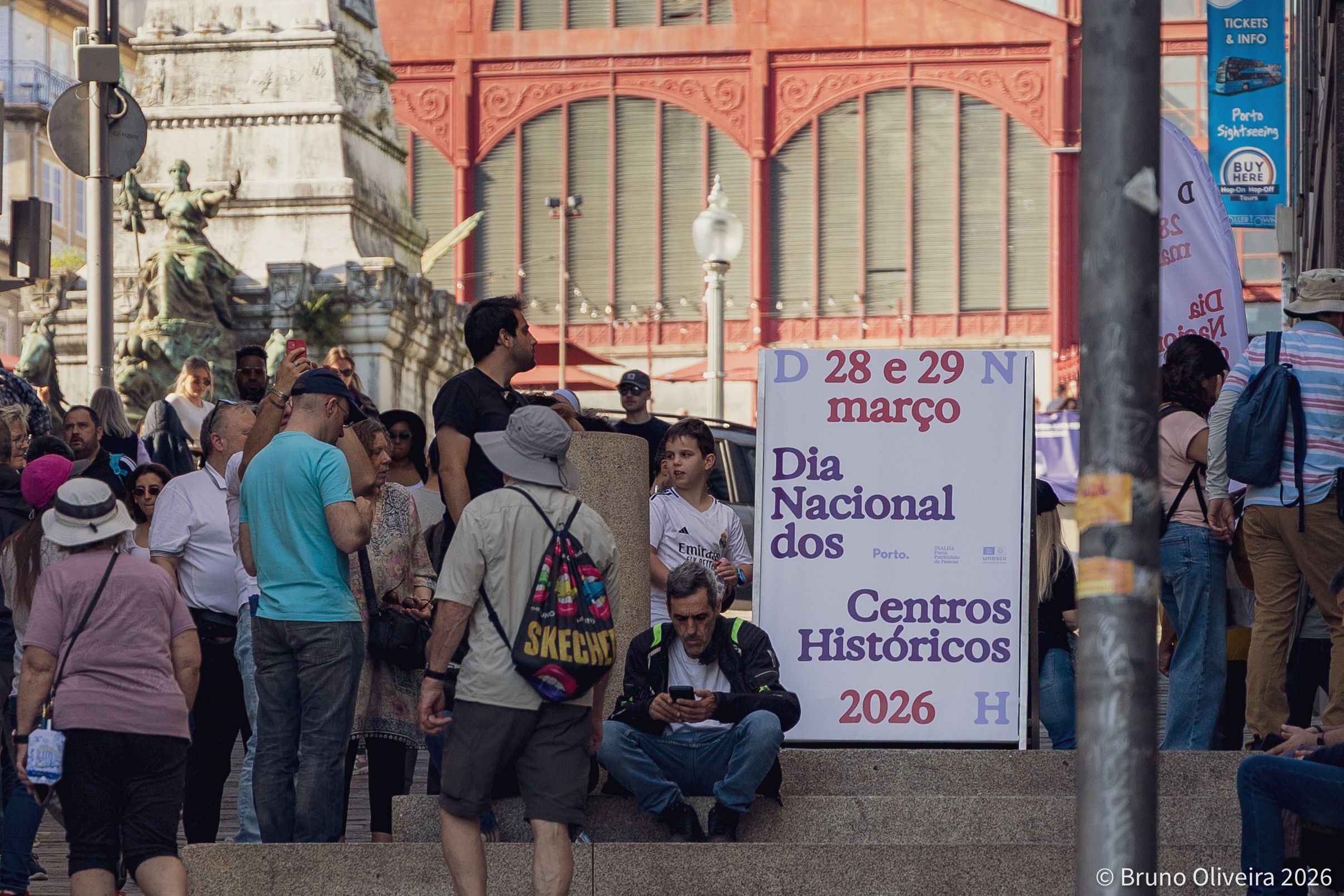
At the core of the celebration was the idea that heritage in Porto is not just something to admire from a distance, but something to handle, question and experience. The official programme, integrated in the wider “MALHA. Porto, Património de Pessoas” initiative, marked 30 years since the UNESCO classification of the Porto Historic Centre and brought together guided visits, museum openings, exhibitions, family activities, concerts and workshops across dozens of sites. Streets, squares and monuments became meeting points where tradition and contemporary creation could sit side by side, from church towers and cloisters to museums, viewpoints and smaller cultural spaces.
Among the many ways to approach the city, the focus on craft and restoration provided one of the clearest lessons for anyone curious about how Porto looks the way it does. The azulejo workshop, for instance, centred on techniques of painting and conservation, but it also made visible the everyday work behind façades that visitors often photograph without thinking about their upkeep. In a city where tiles are part of the skyline as much as the rooftops and bridges, learning how to repair and preserve them is also a way of understanding what it means to care for a historic centre over time.
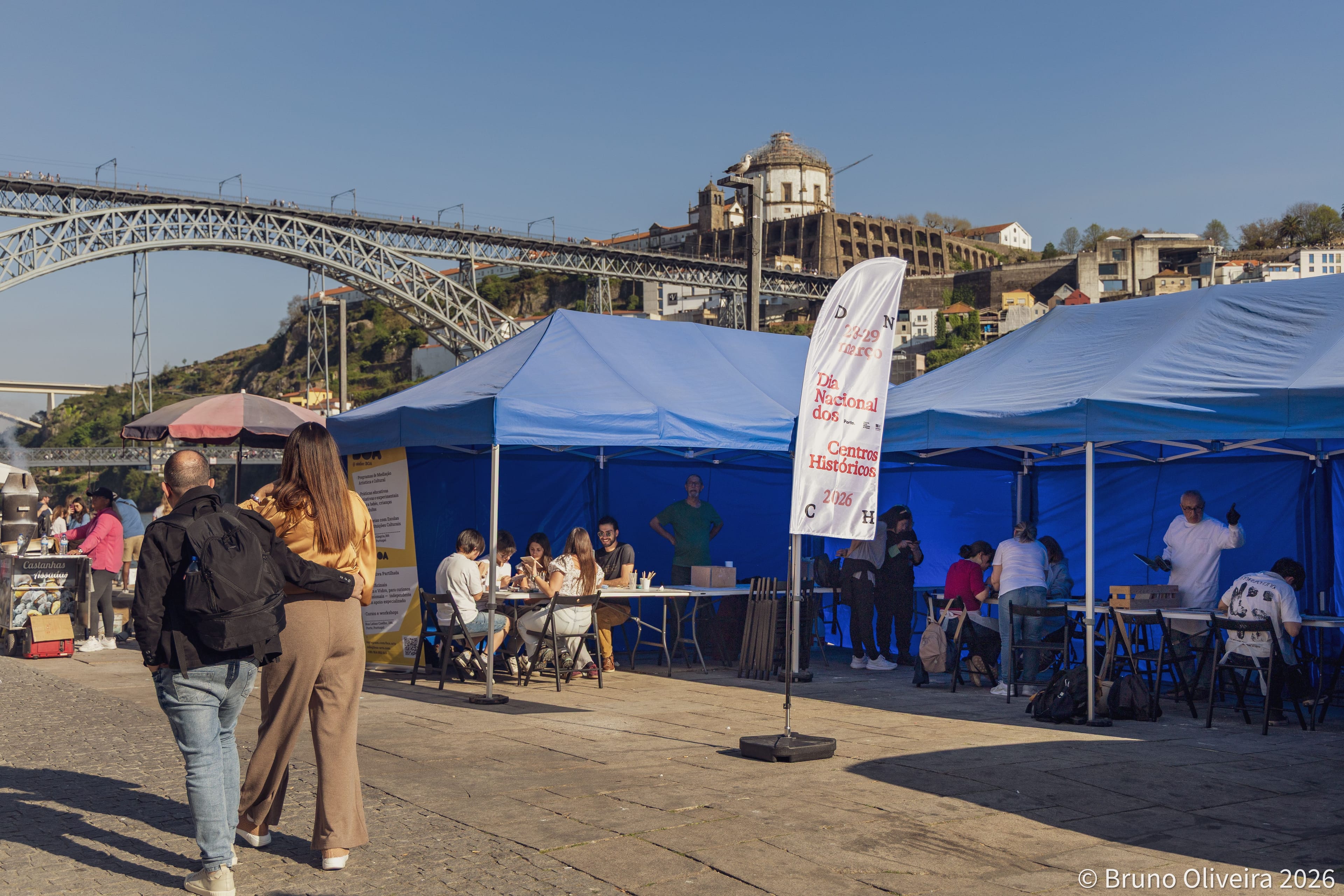
Participants focus on tile restoration techniques in Cais da Ribeira.
Music added another dimension to the weekend, and the piano recital at Miradouro da Rua das Aldas showed how sound can redraw a familiar landscape. The programme featured Porto-born pianist Martim Pereira, one of the most awarded young Portuguese pianists of his generation, known for his interpretations of romantic repertoire and already a regular presence in national concert halls. Hearing a solo piano in such an open, historic setting created a temporary dialogue between the stones of the old city and works by composers who themselves wrote with cities, salons and stages in mind, reminding listeners that cultural life in Porto is not confined to concert venues.
The choice of Martim Pereira also underlined another layer of the day: the way the city nurtures and showcases its own talent. Born in Porto in 2006 and a laureate of several national and international competitions, he represents a new generation of musicians for whom the historic centre is as much a daily environment as a performance backdrop. For visitors, moments like this recital are an opportunity not only to enjoy a view, but to encounter the living culture that continues to grow from within the city.
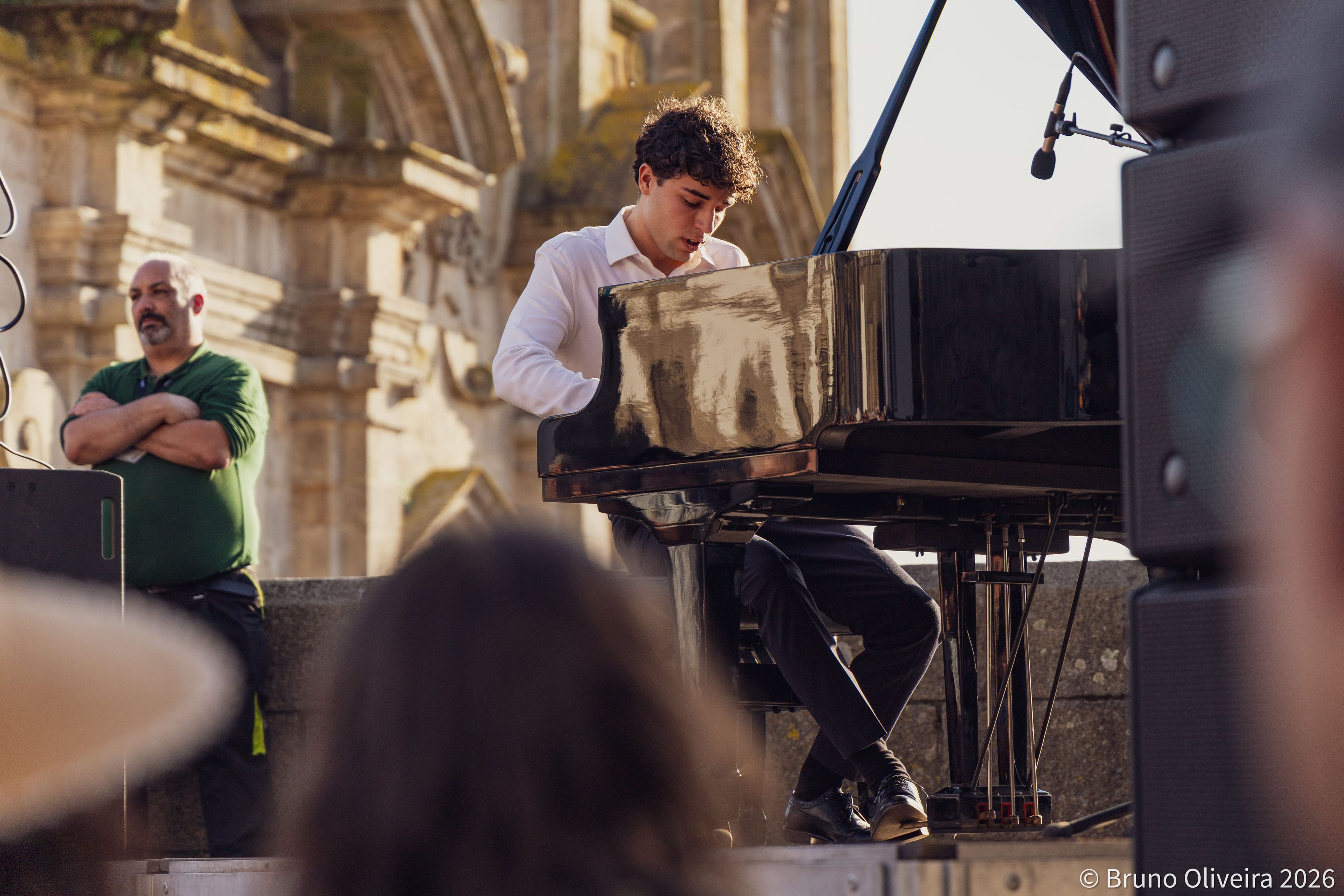
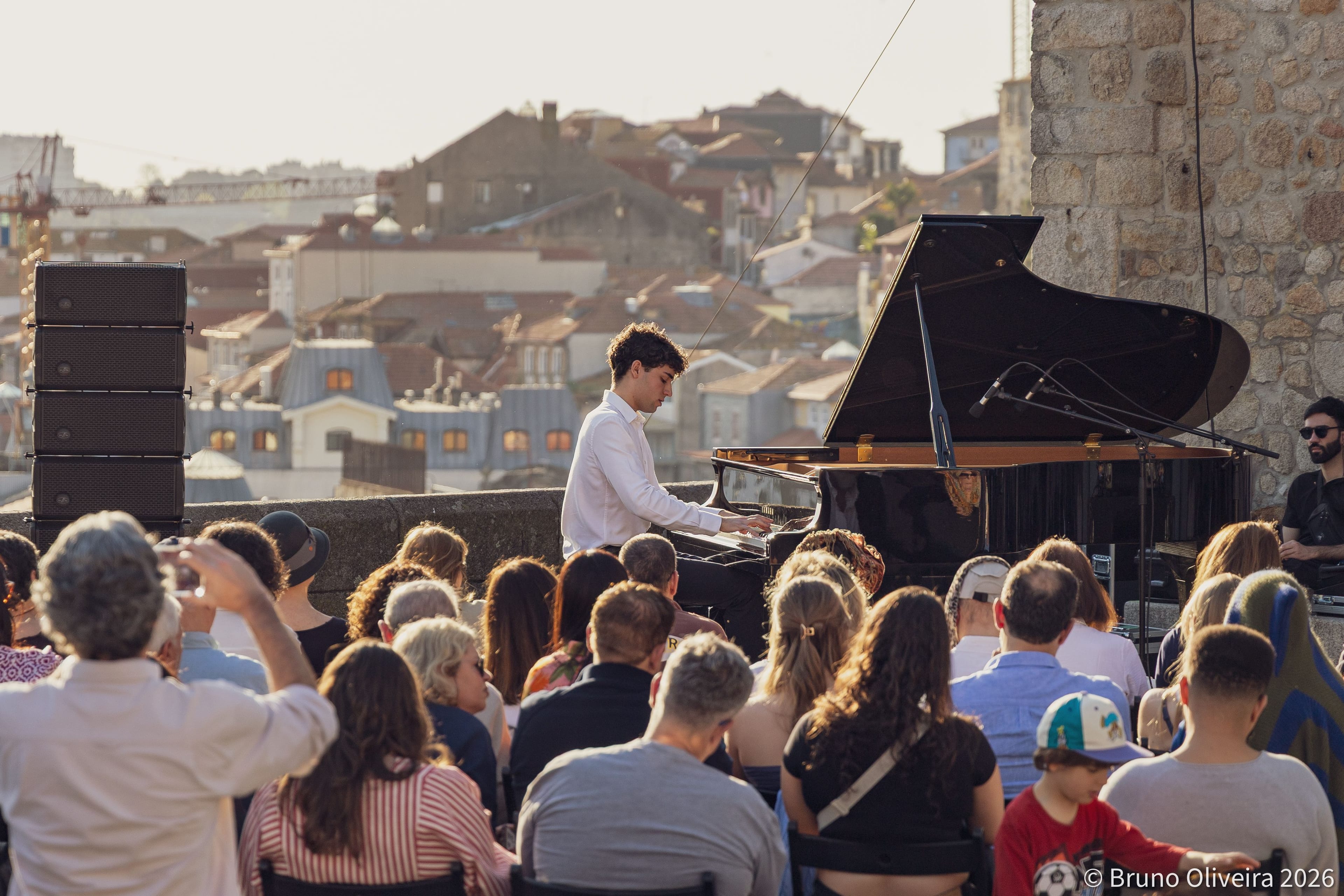
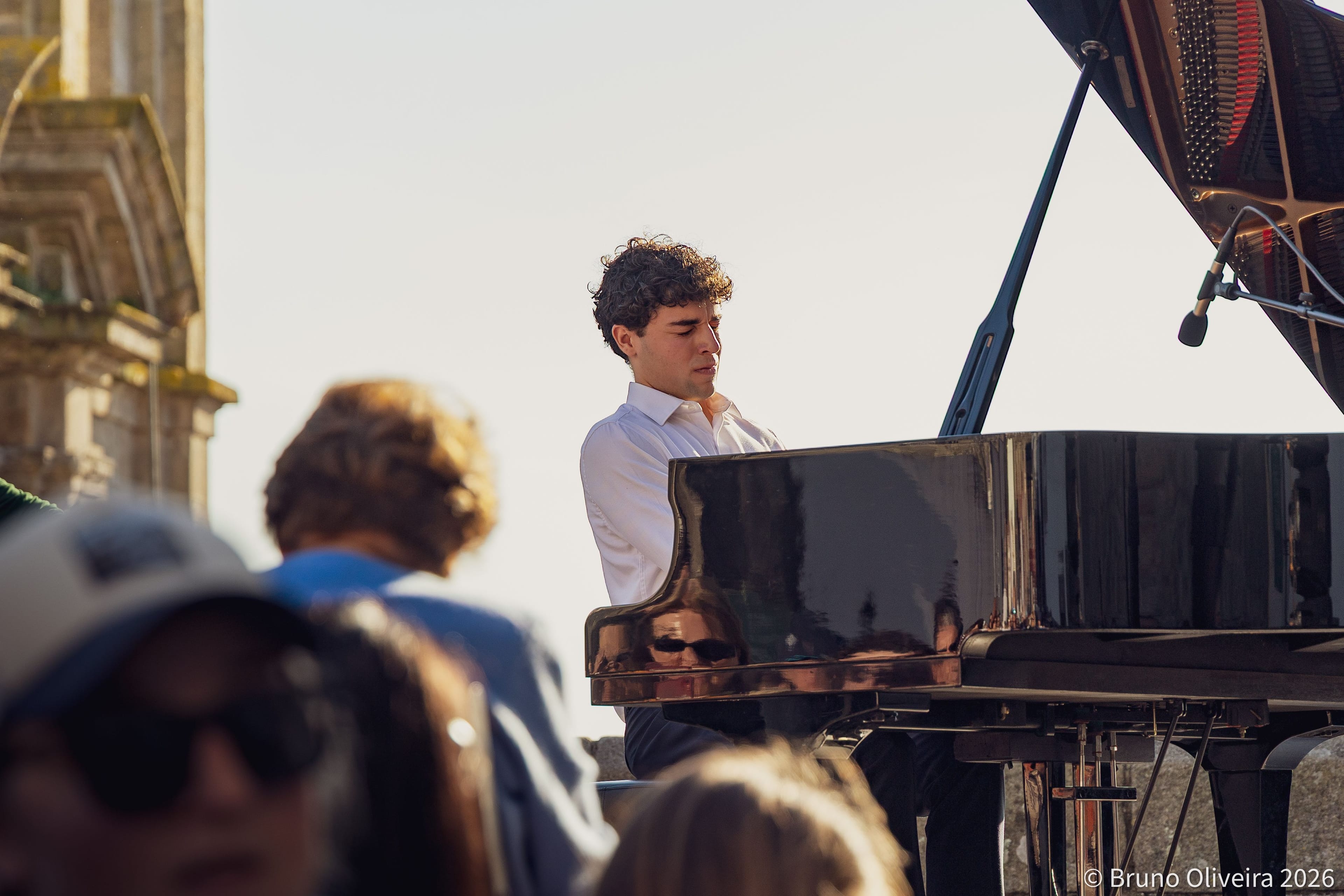
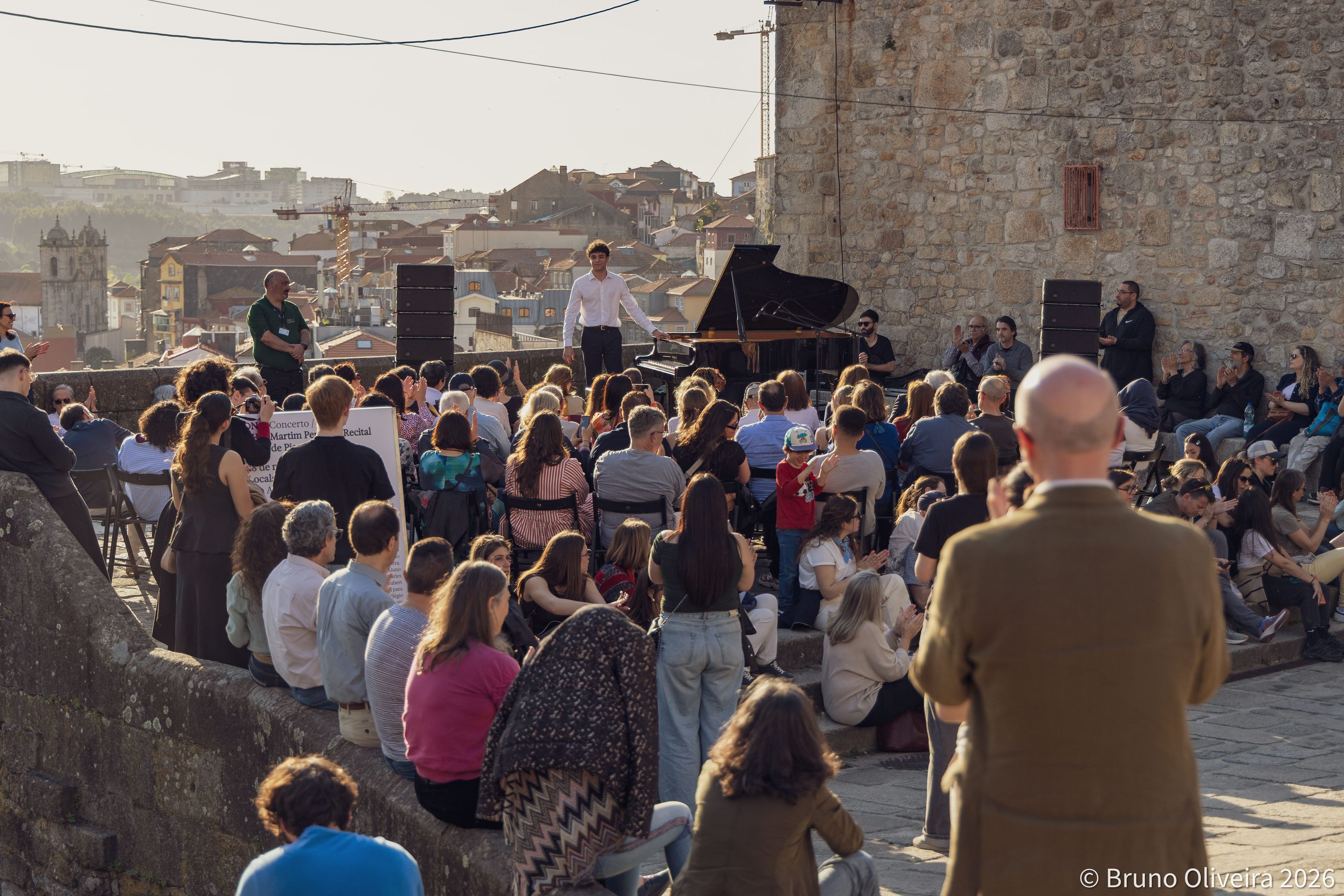
Martim Pereira brings romantic piano repertoire to one of the city’s most atmospheric viewpoints.
Not all of the weekend’s highlights belonged strictly to the official Day of Historic Centres programme, but they still contributed to a broader atmosphere of reflection on memory and place. “Desempacotando a Minha Biblioteca”, at the Biblioteca Pública Municipal do Porto, was an independent performance that opened the doors of the building in an unusual way, showing the library almost empty before a major restoration and expansion project. Instead of focusing on books, the event invited visitors to pay attention to the architecture, the traces of use and the stories suggested by two centuries of public reading in the city.
For anyone discovering Porto, the library’s transition is also a reminder that heritage often moves in cycles: spaces close to be renewed, collections are reorganised, and new forms of access are created. The project foresees a requalification and enlargement of the building so that it can continue to serve future generations, reinforcing its role within the city’s network of public libraries and cultural spaces. Experiencing the building in this in-between moment offered a rare chance to see how the city prepares its historic institutions for what comes next.
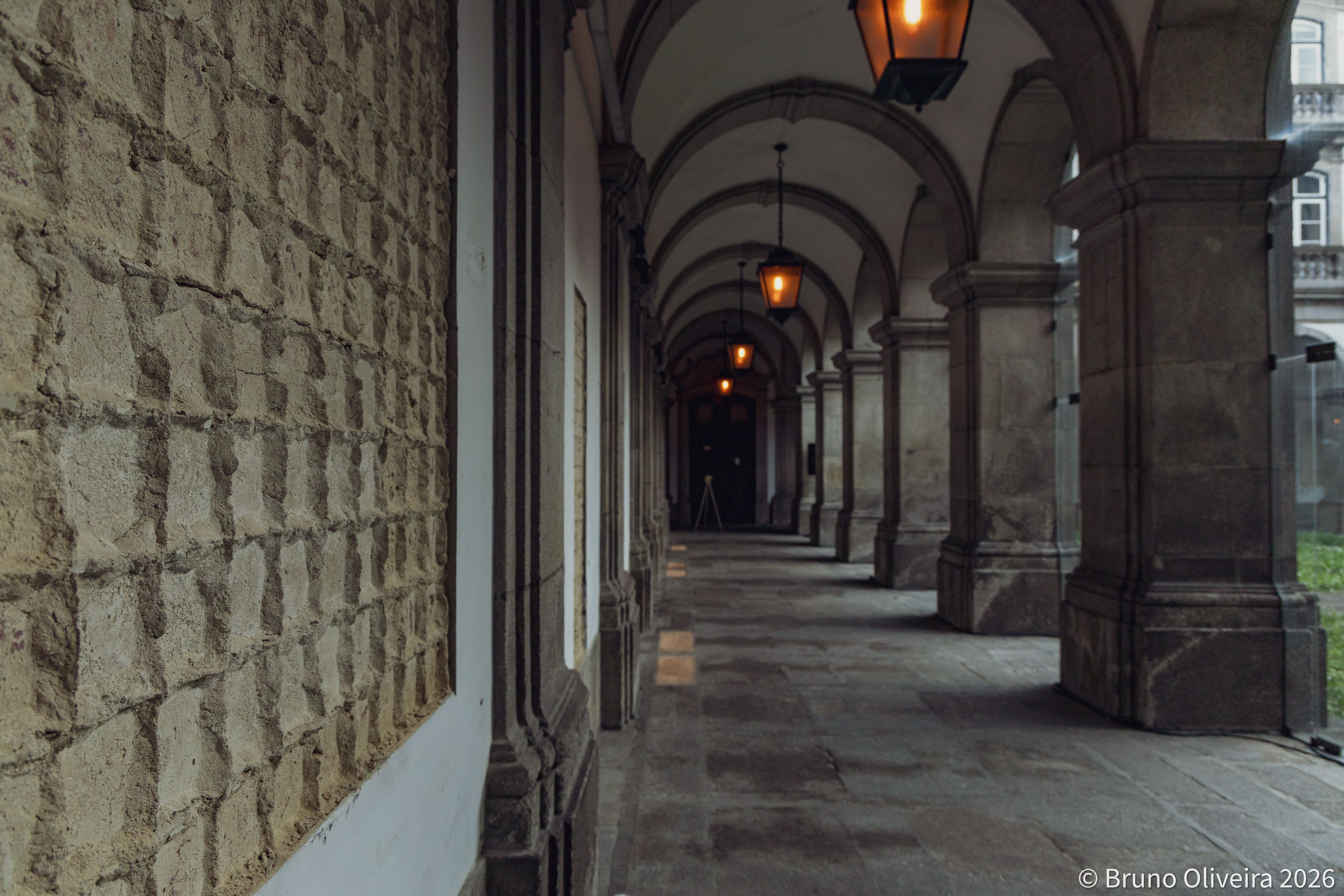
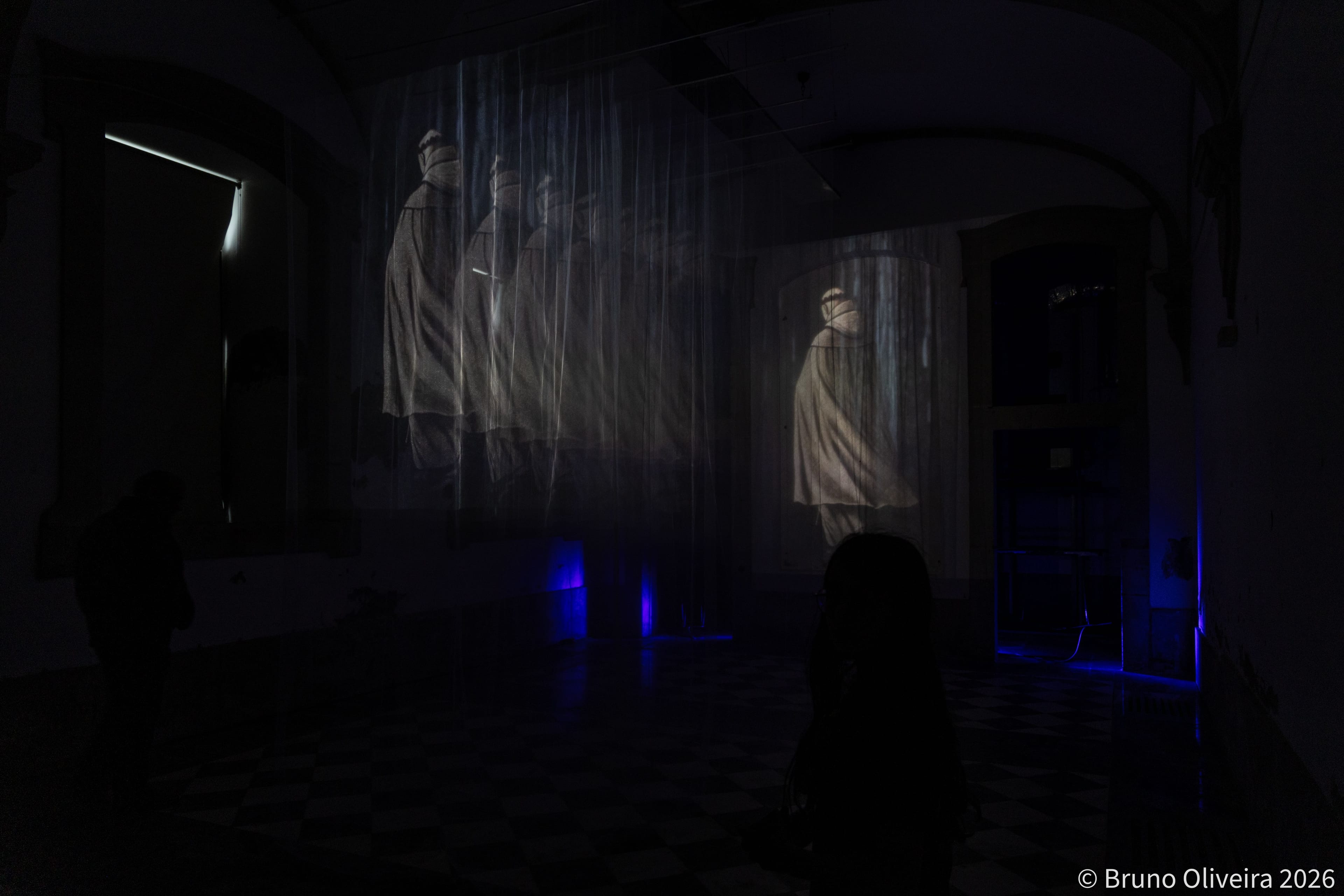
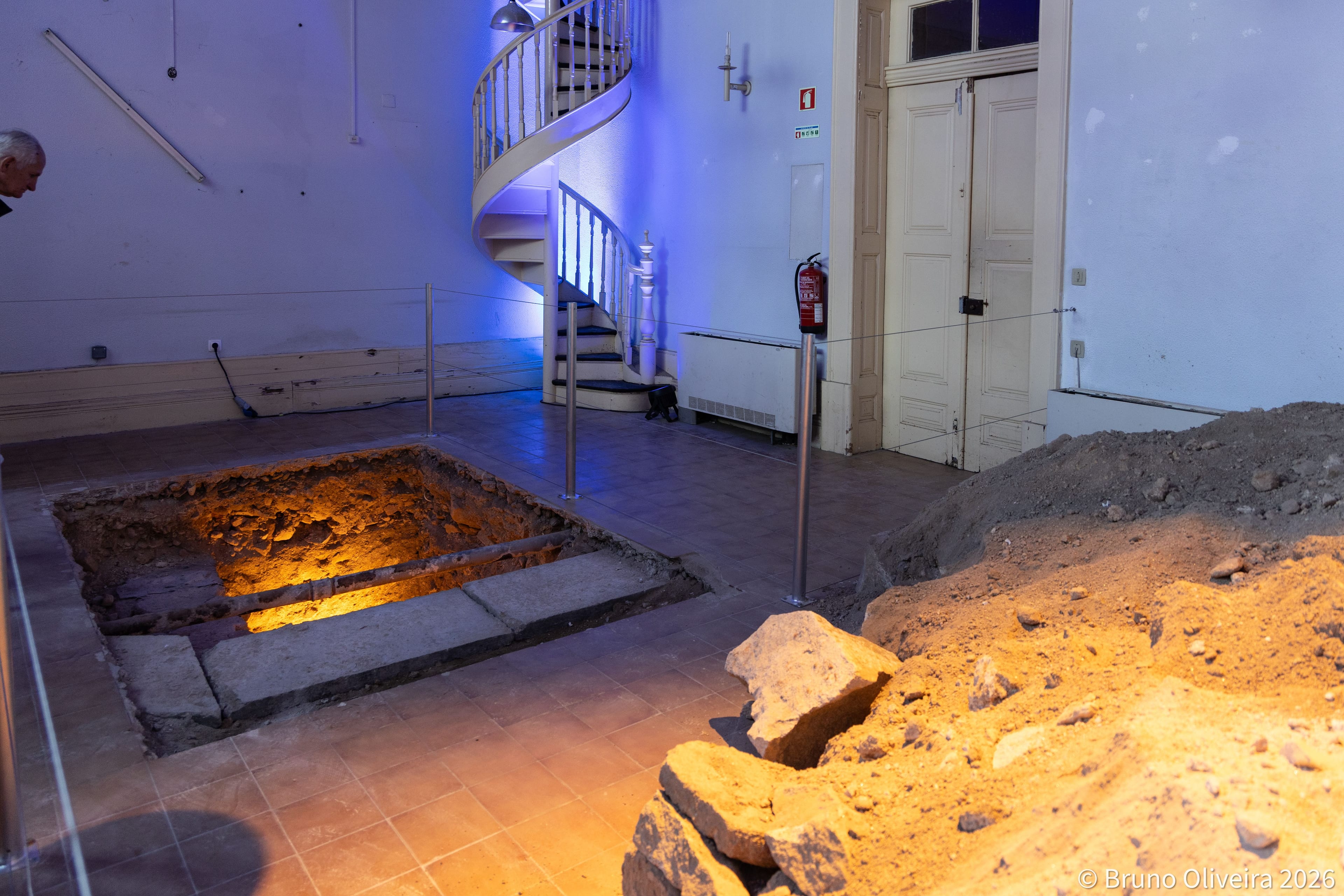
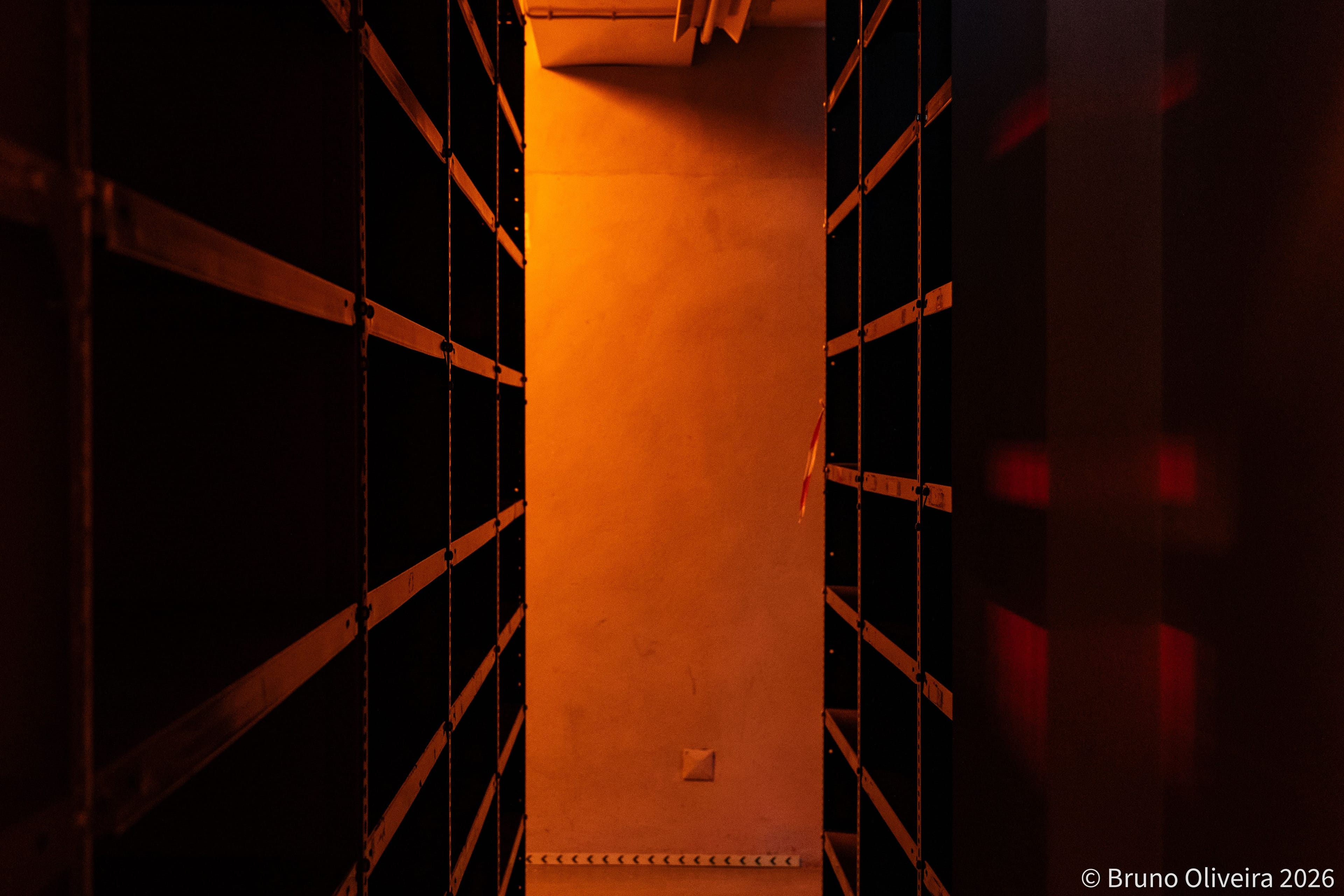
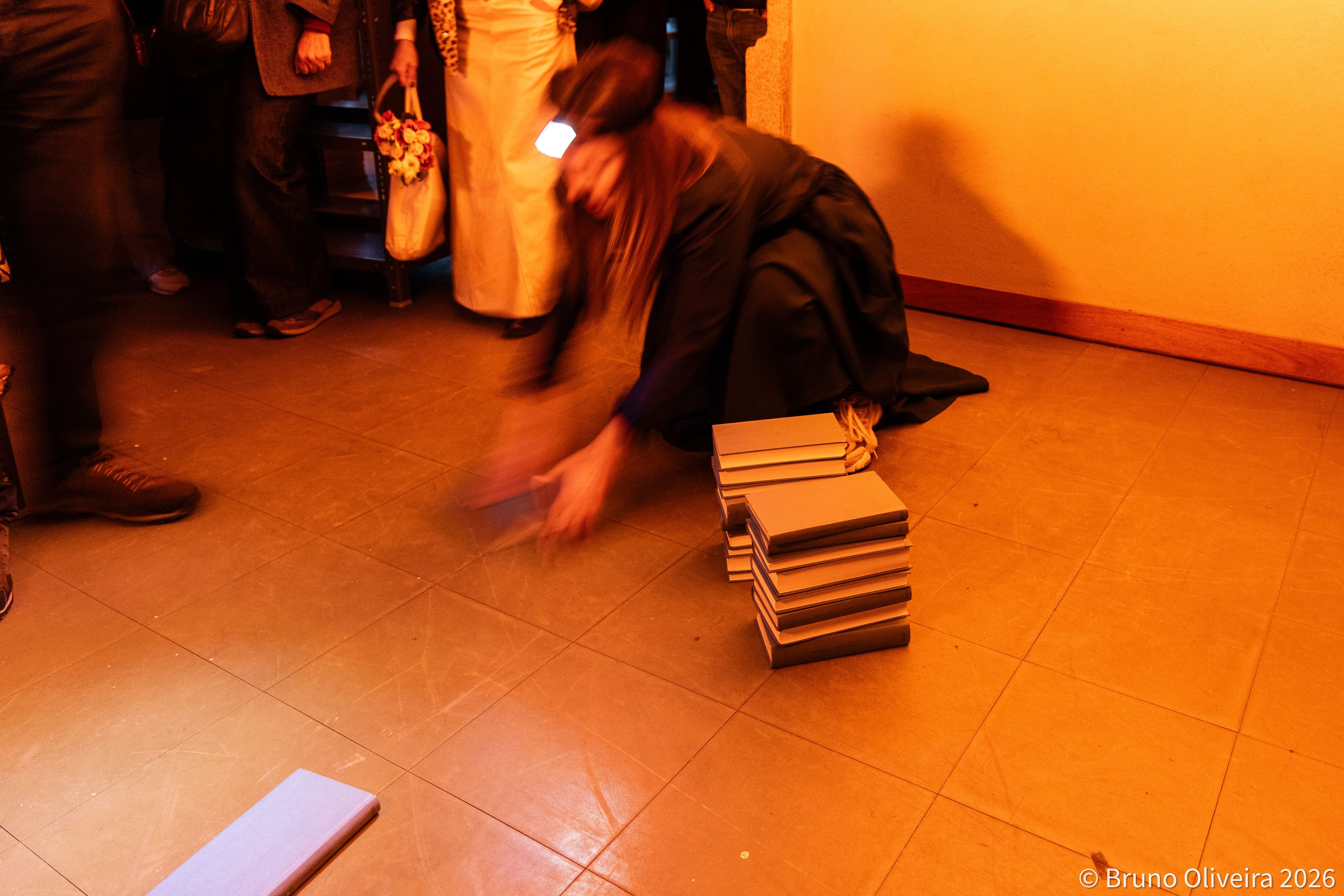
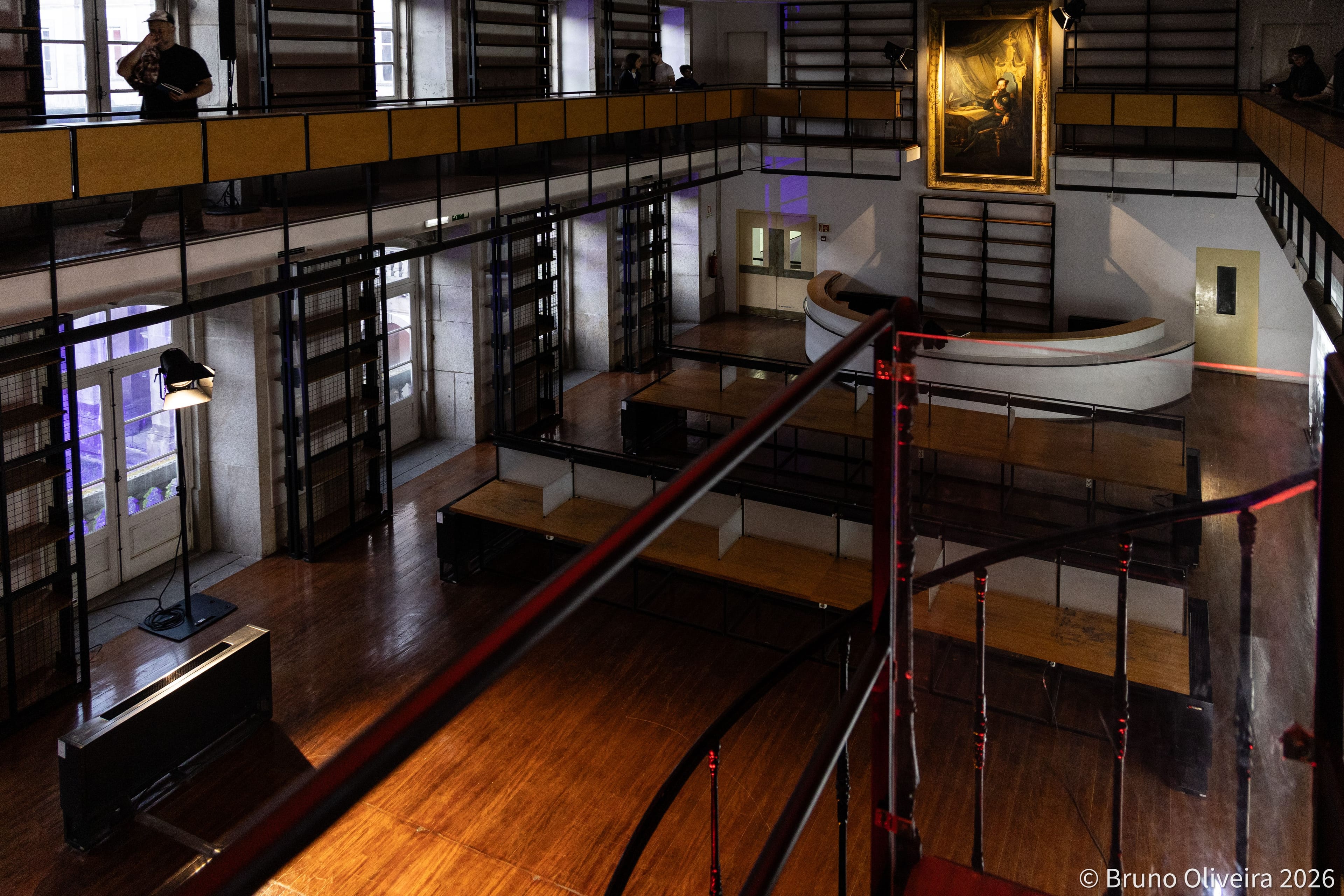
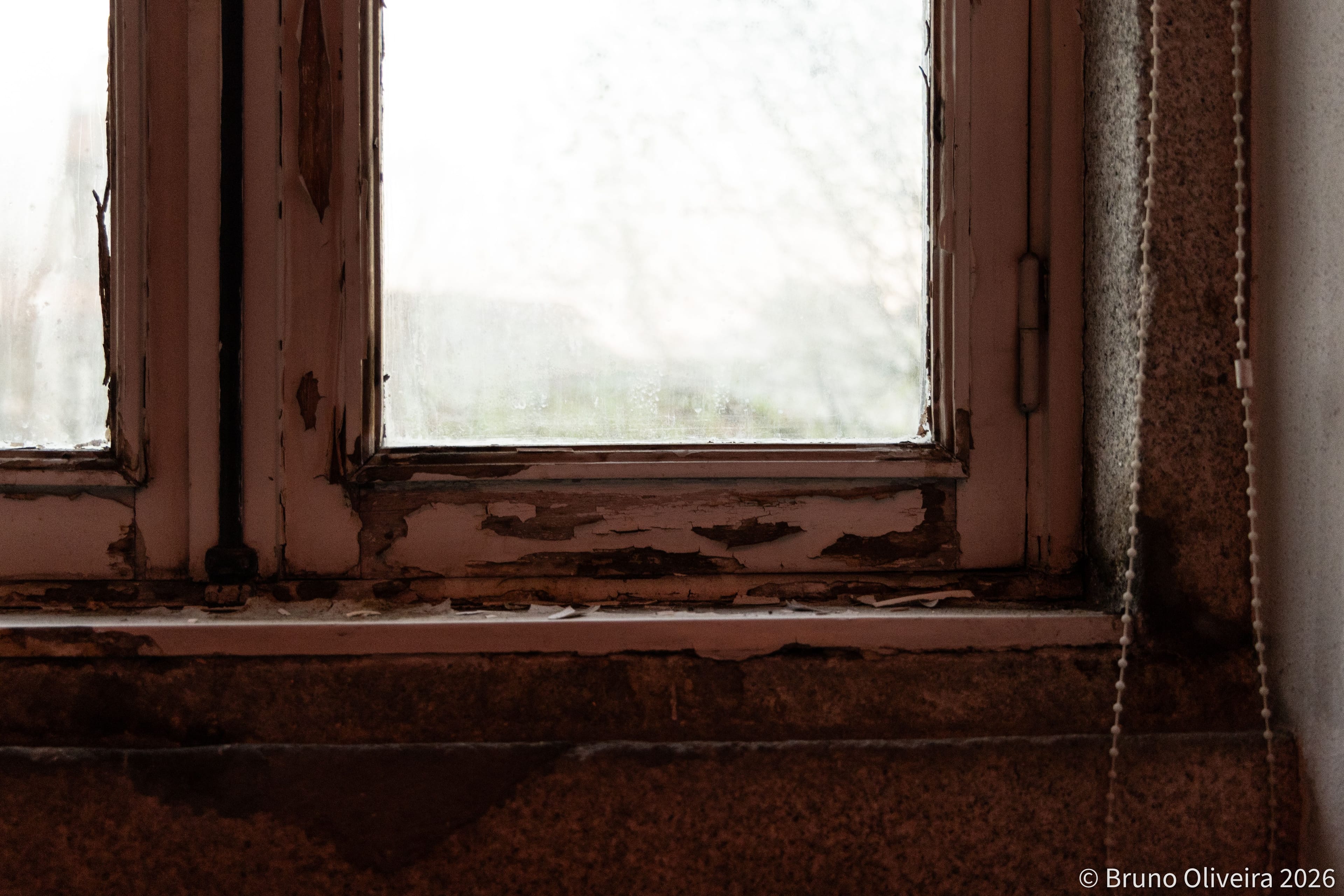
Desempacotando a Minha Biblioteca” invites the public to experience the empty reading rooms of the Municipal Public Library of Porto before restoration works begin.
Beyond these examples, over the two days, the programme brought together more than sixty activities, including guided walks through churches and cloisters, visits to lesser-known collections, family workshops, street performances, photography tours and thematic itineraries that explored everything from urban archaeology to everyday neighbourhood life. Among the many routes offered, one of the highlights was a walk dedicated to the city’s fountains led by historian Joel Cleto, illustrating how even functional elements of urban infrastructure can reveal layers of stories about water, hygiene, community and urban development in Porto.
For visitors and residents alike, what remains from this weekend is less a single image and more a feeling: that the Historic Centre of Porto is a place to return to, slowly and repeatedly, because there is always another corner, another story or another perspective waiting. The Day of Historic Centres simply made that idea more visible for a couple of days, opening doors, rooftops and viewpoints and reminding everyone that this UNESCO site is not a museum piece, but a lived, evolving part of the city.
All rights reserved by PortoBestCity. Any copying, reproduction, editing, or reuse of the photographs and images from this coverage, including on social media or other websites, is strictly prohibited without prior written permission.