Culture
North Festival 2026 is coming to Maia!

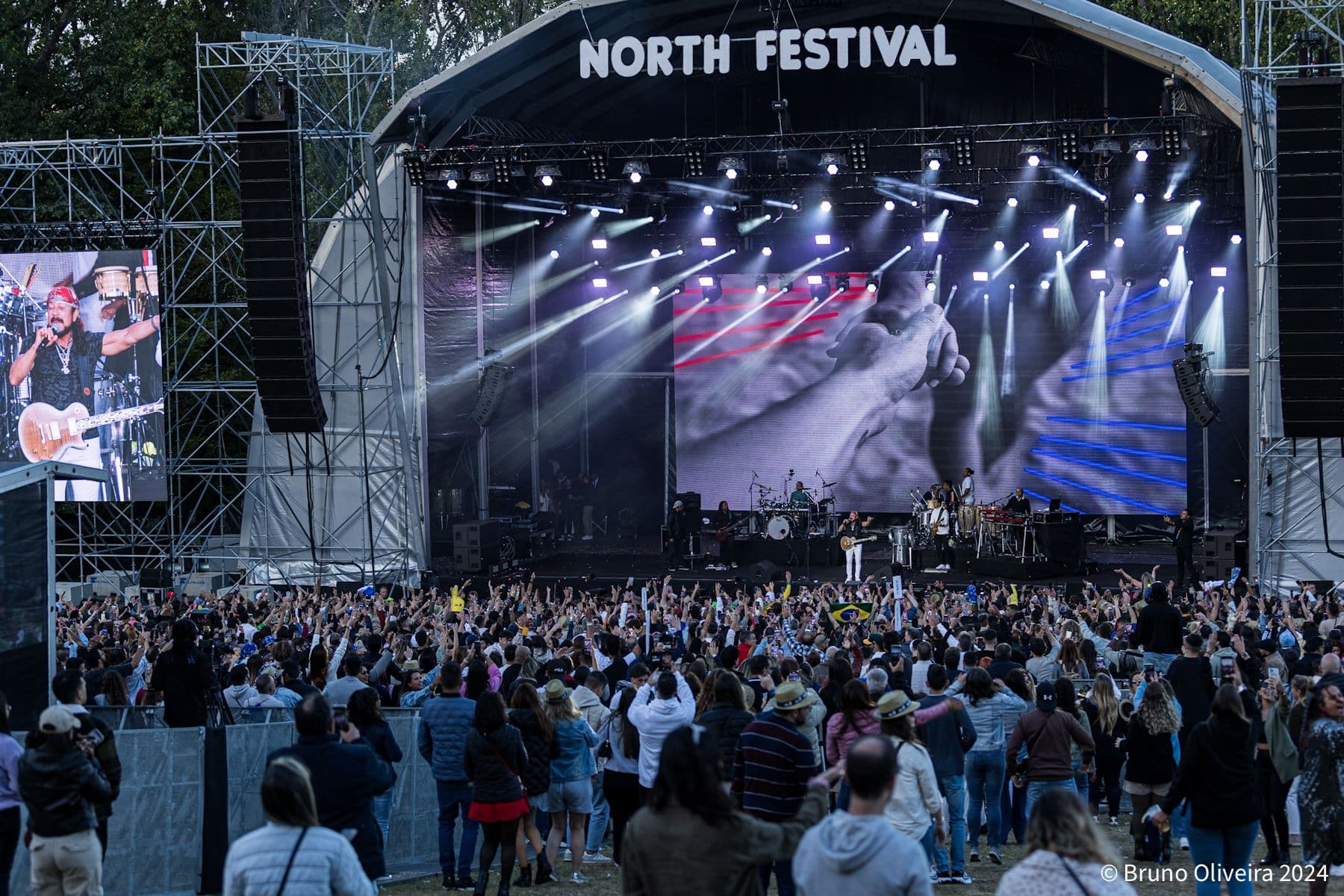
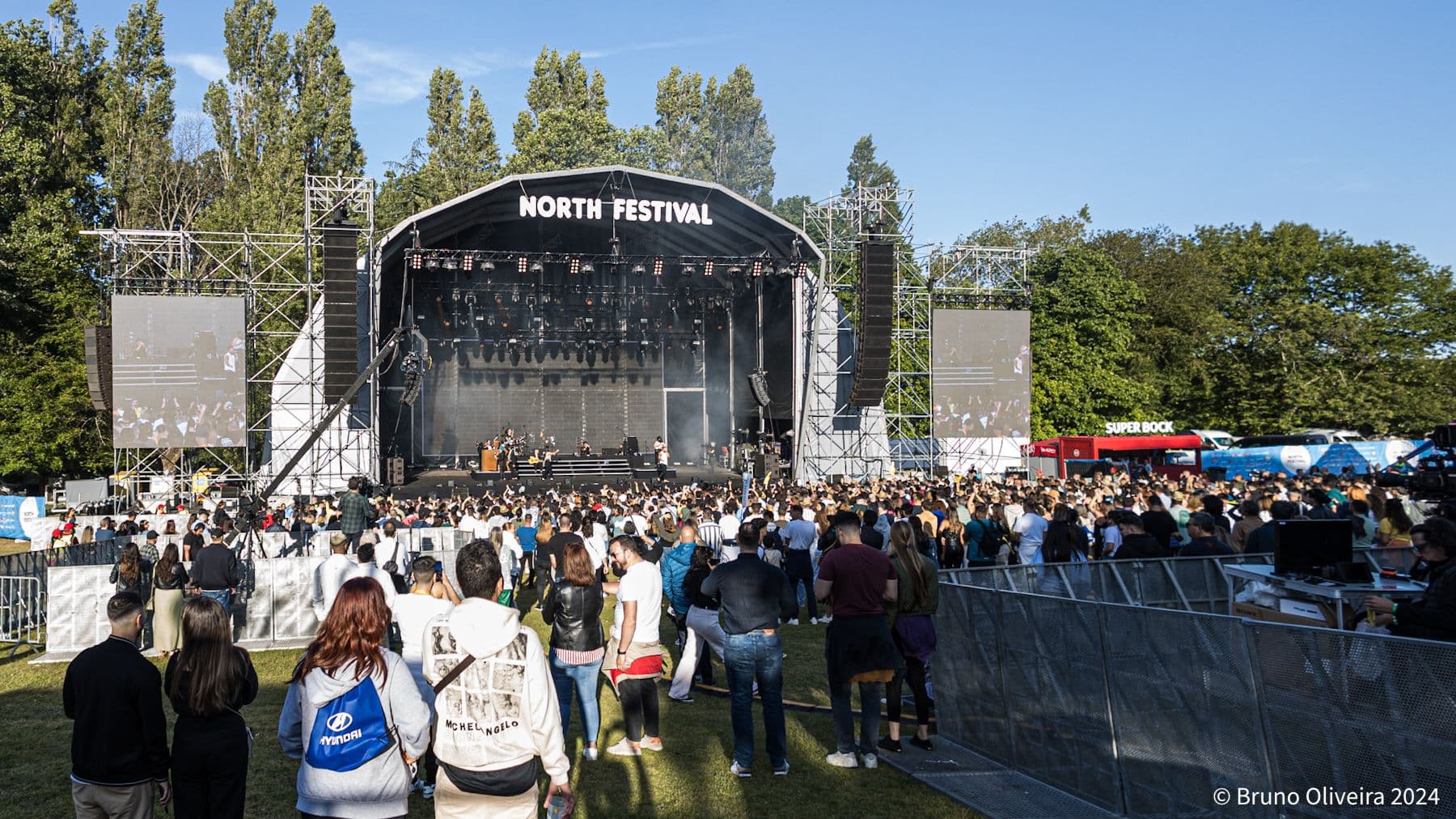
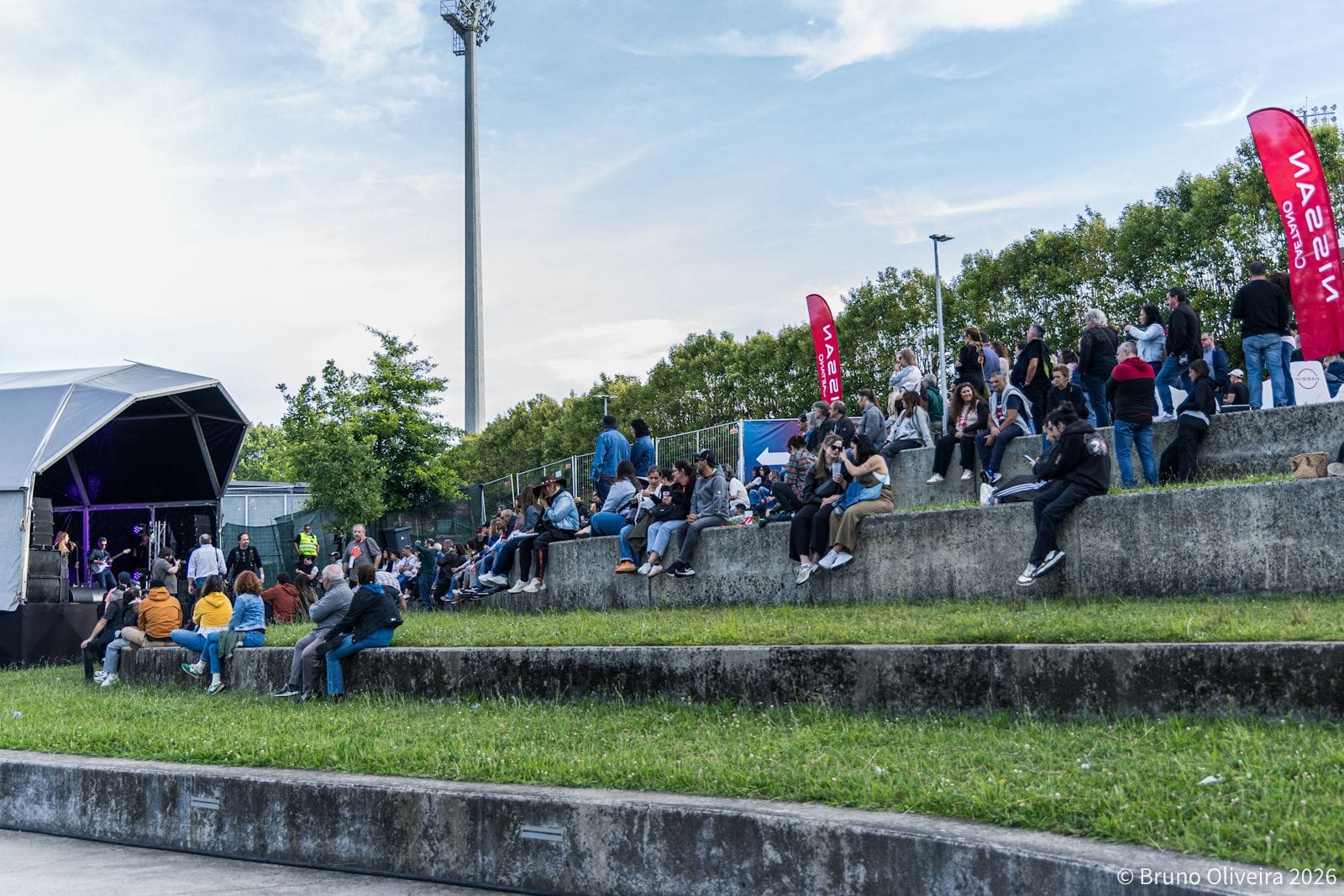
North Festival’s second day revealed the shape of the festival’s new life in Maia, with Liniker, The Waterboys and Europe leading the main stage in the first edition to be held at the Cidade Desportiva da Maia. The move to Maia was presented by the organisers as a way to give the event more space, better comfort and easier access, while keeping the urban character that has defined North Festival in recent years.
The whole event is entering a new chapter. The move to the Cidade Desportiva da Maia is presented as the opening of a new home for the festival, one designed in greater detail to improve the overall experience for audiences while keeping the same spirit that helped define the event’s reputation. The municipal framing also places the venue in the heart of the city and links the relocation to the scale that North Festival has already reached, after editions that drew an average of around 65,000 visitors. This gives the 2026 edition a wider urban presence from the outset, with the stadium and surrounding grounds helping turn the festival into more than a concert site, and instead into a temporary centre of movement, sound and shared attention.
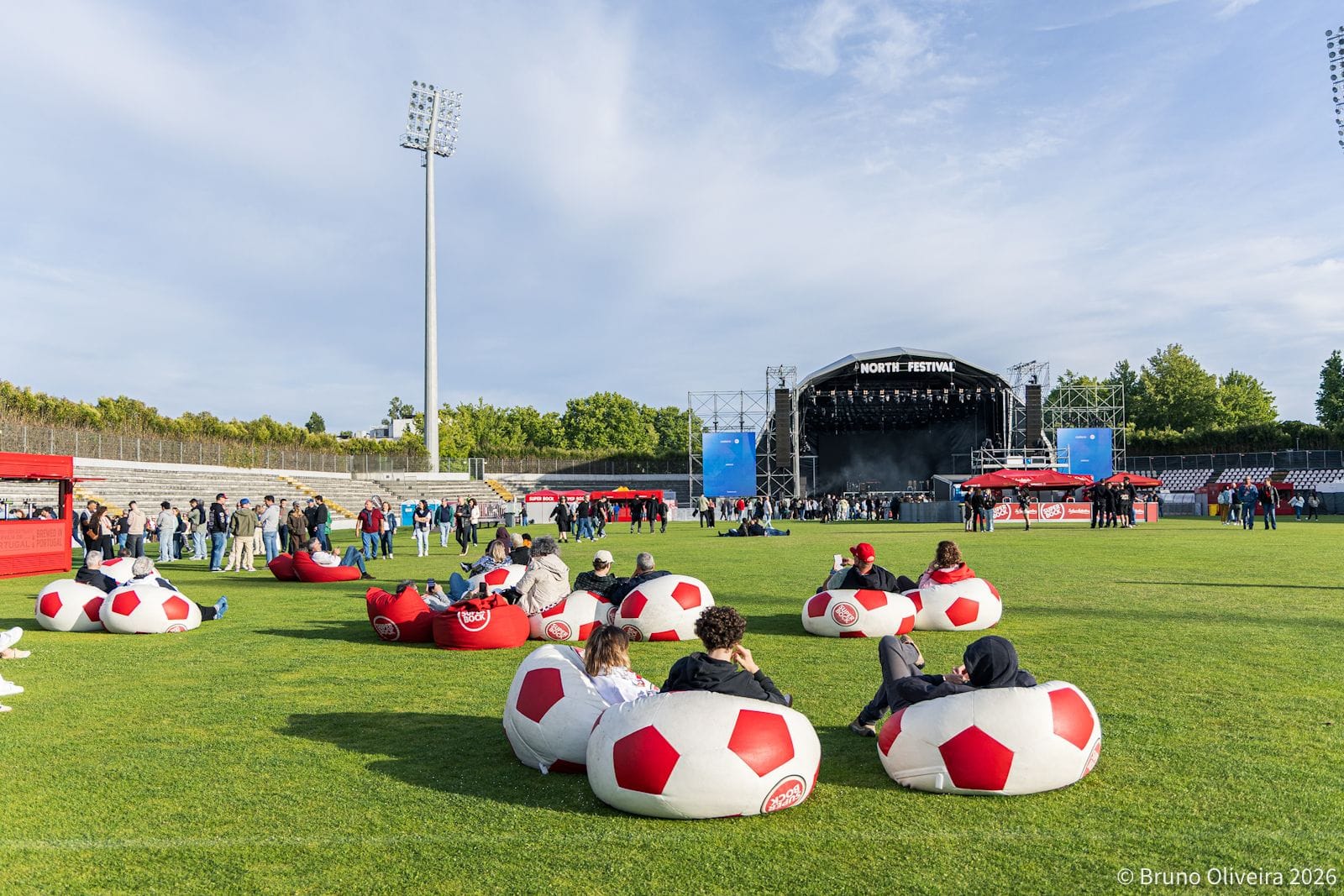
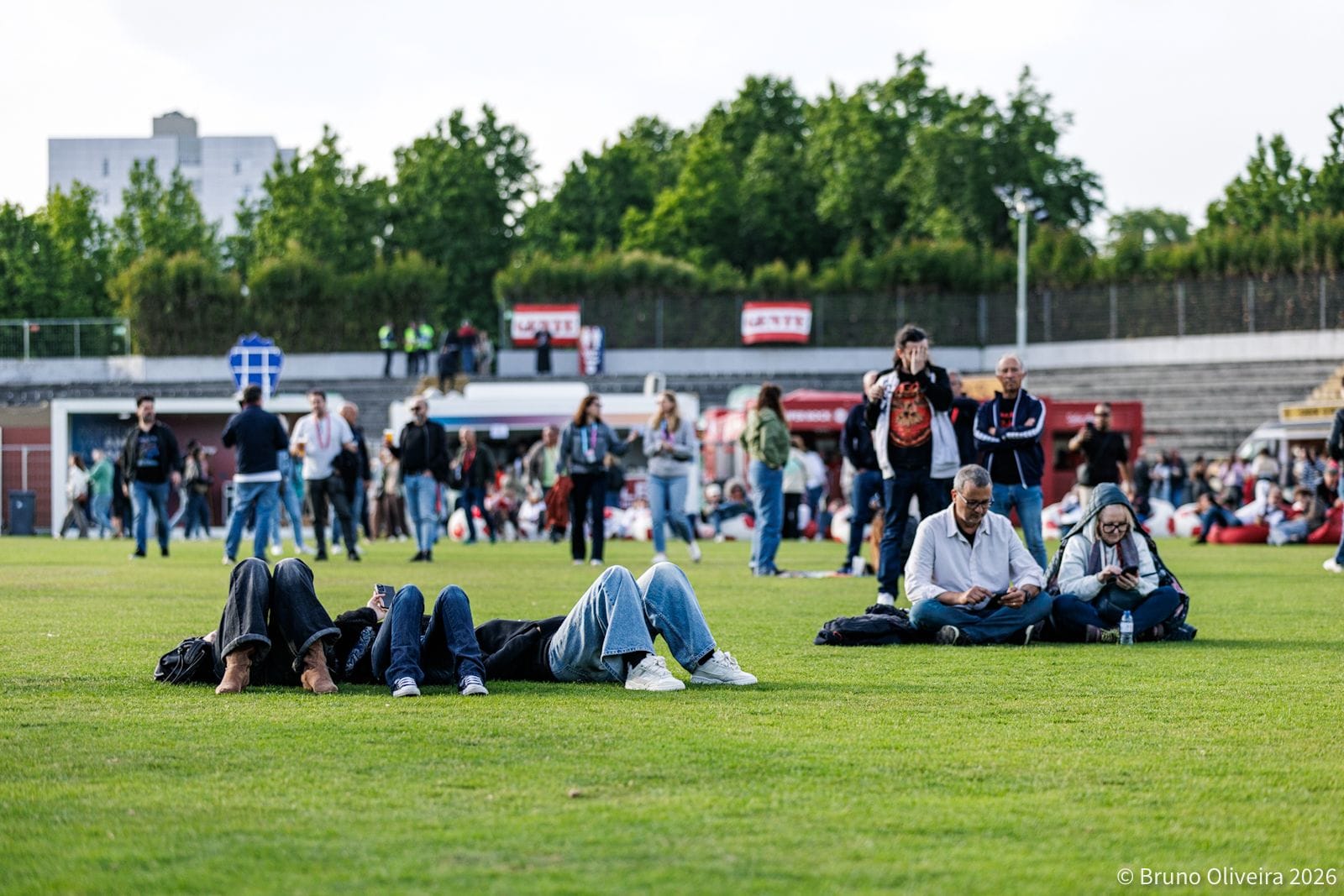
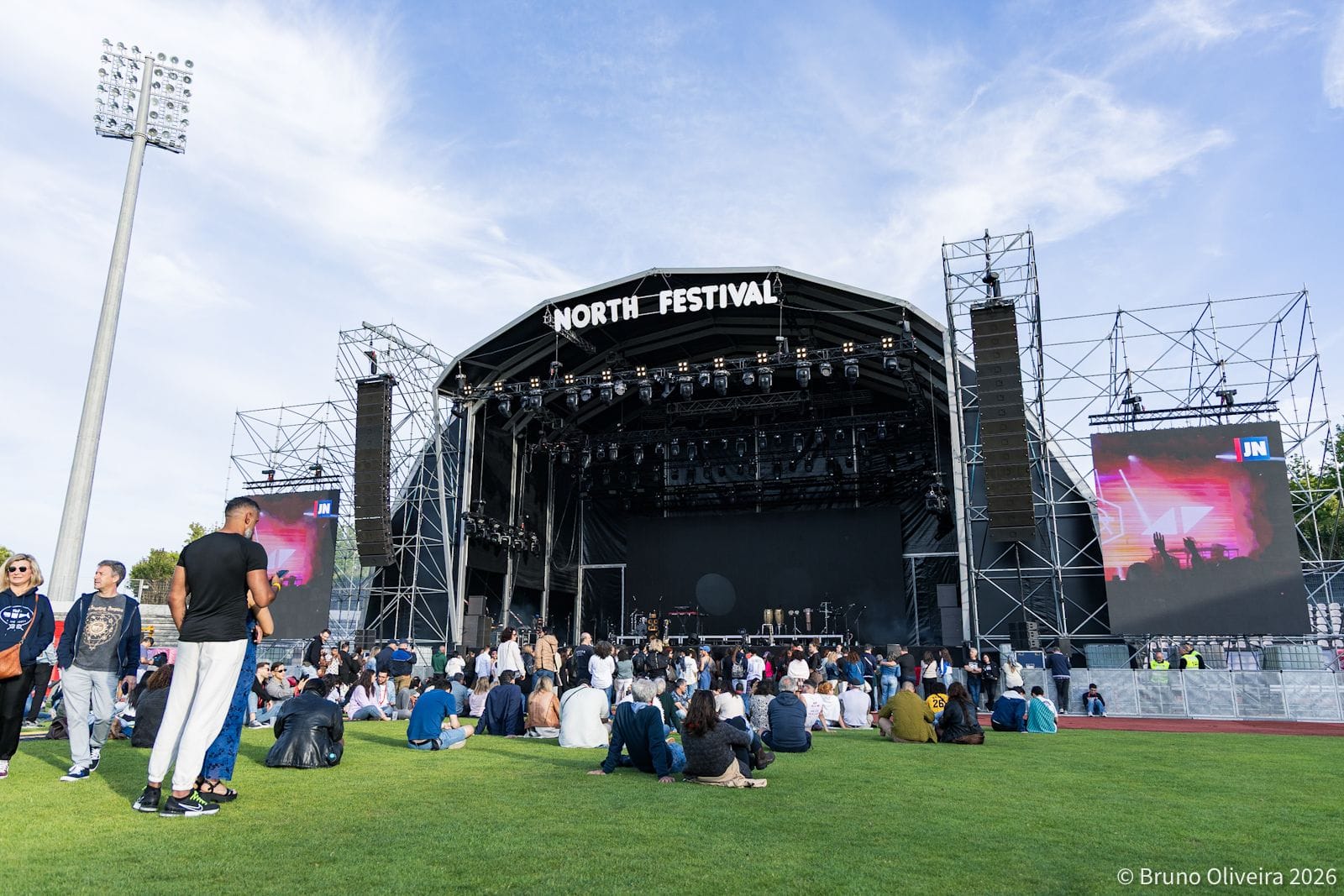
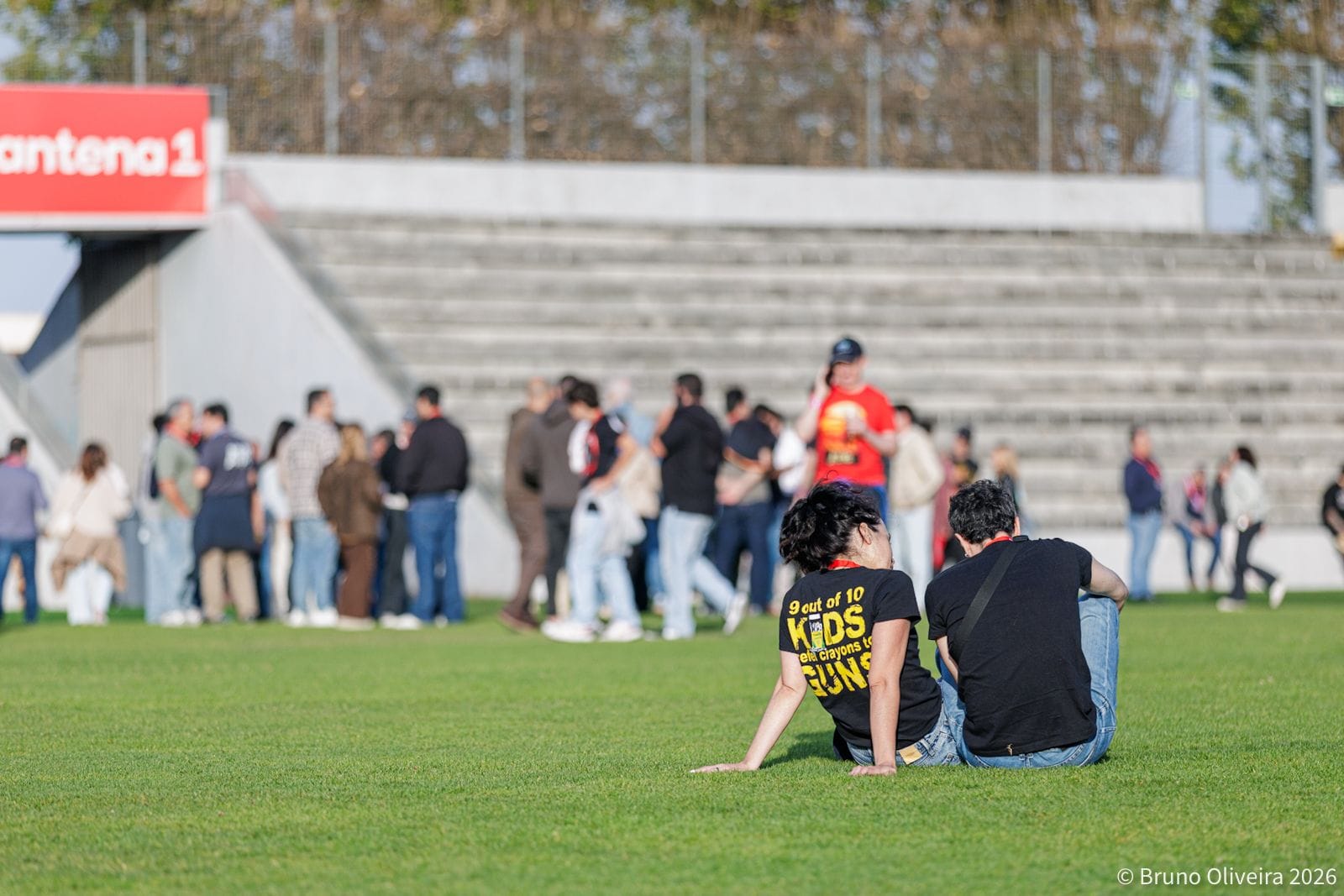
North Festival 2026 opens a new chapter in Maia, where the Cidade Desportiva gives the event a larger footprint and a venue designed around space, comfort and easier access.
Across the day, the layout helped shape an atmosphere that felt open, busy and expansive, matching a programme that moved between international names and a visible Portuguese presence. The festival’s new JN Rock à Moda do Porto stage reinforced the presence of Portuguese music and artists connected to the North, including Times of Trouble. More than a secondary space, that stage emerged as one of the elements that best explained what North Festival 2026 is trying to be in its new home: broader in scale, but still rooted in a northern cultural identity.
Presented by the municipality as a space entirely devoted to Portuguese music and to artists with roots in the North, it brought into North Festival a concept that had previously existed as a standalone event, while also giving visibility to emerging national acts chosen through a public vote process linked to the festival and Jornal de Notícias. Nine Portuguese acts were selected for the 2026 line-up, among them Menta, DaviDays, Filhos da Pátria, Vulcões Semi Porreiros, Pilot, Times of Trouble, Defera, Ordenado Mínimo and Os Tua.
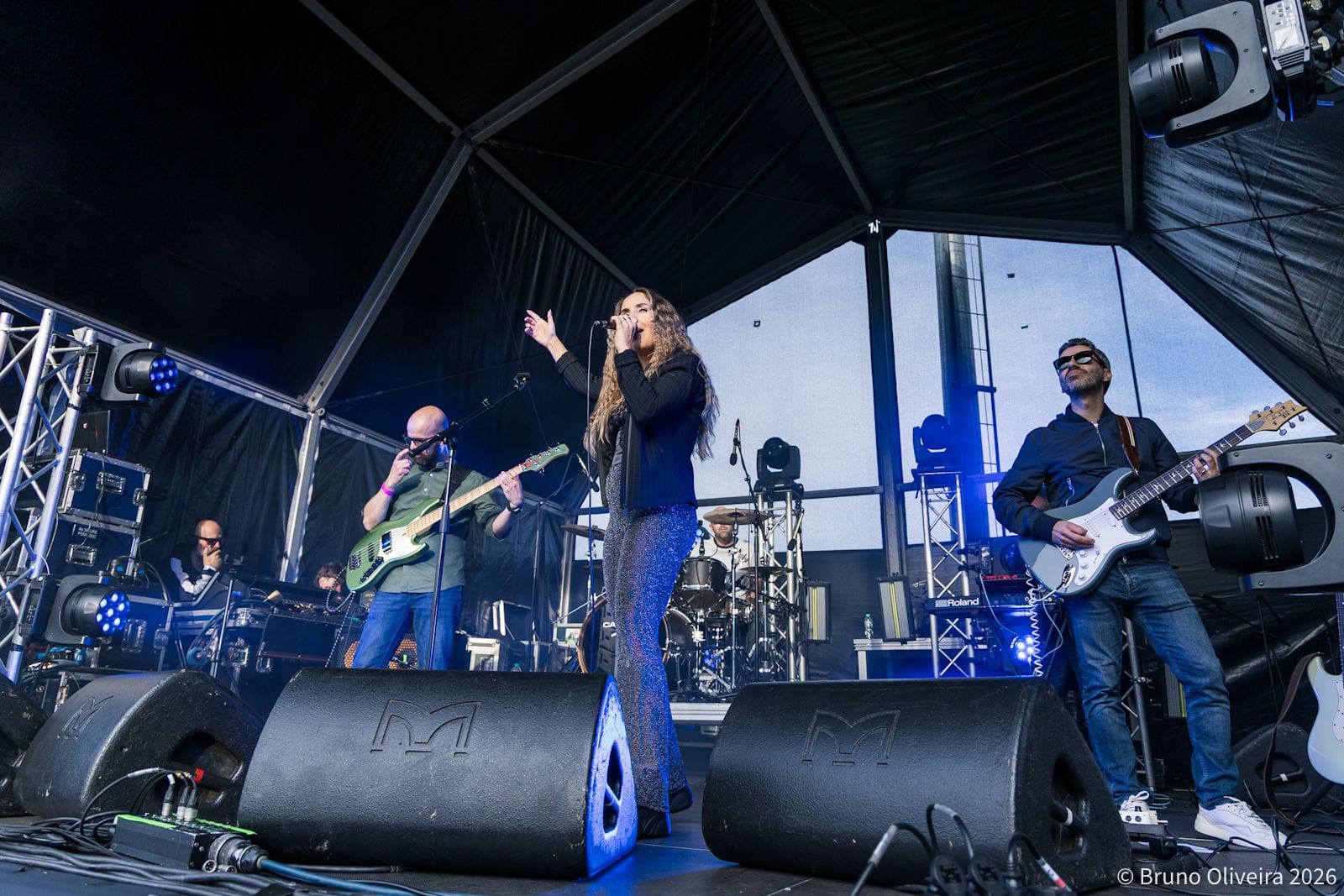
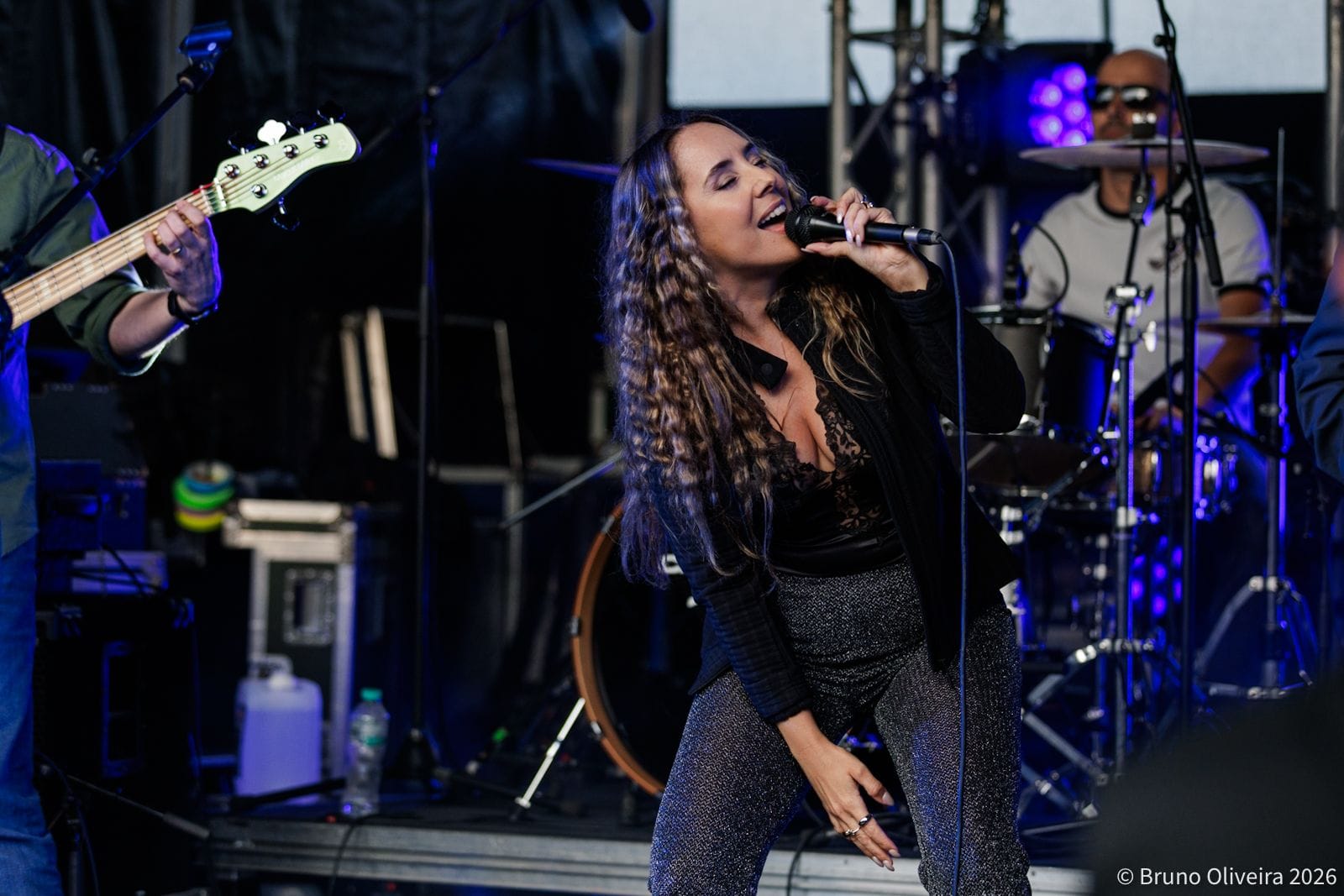
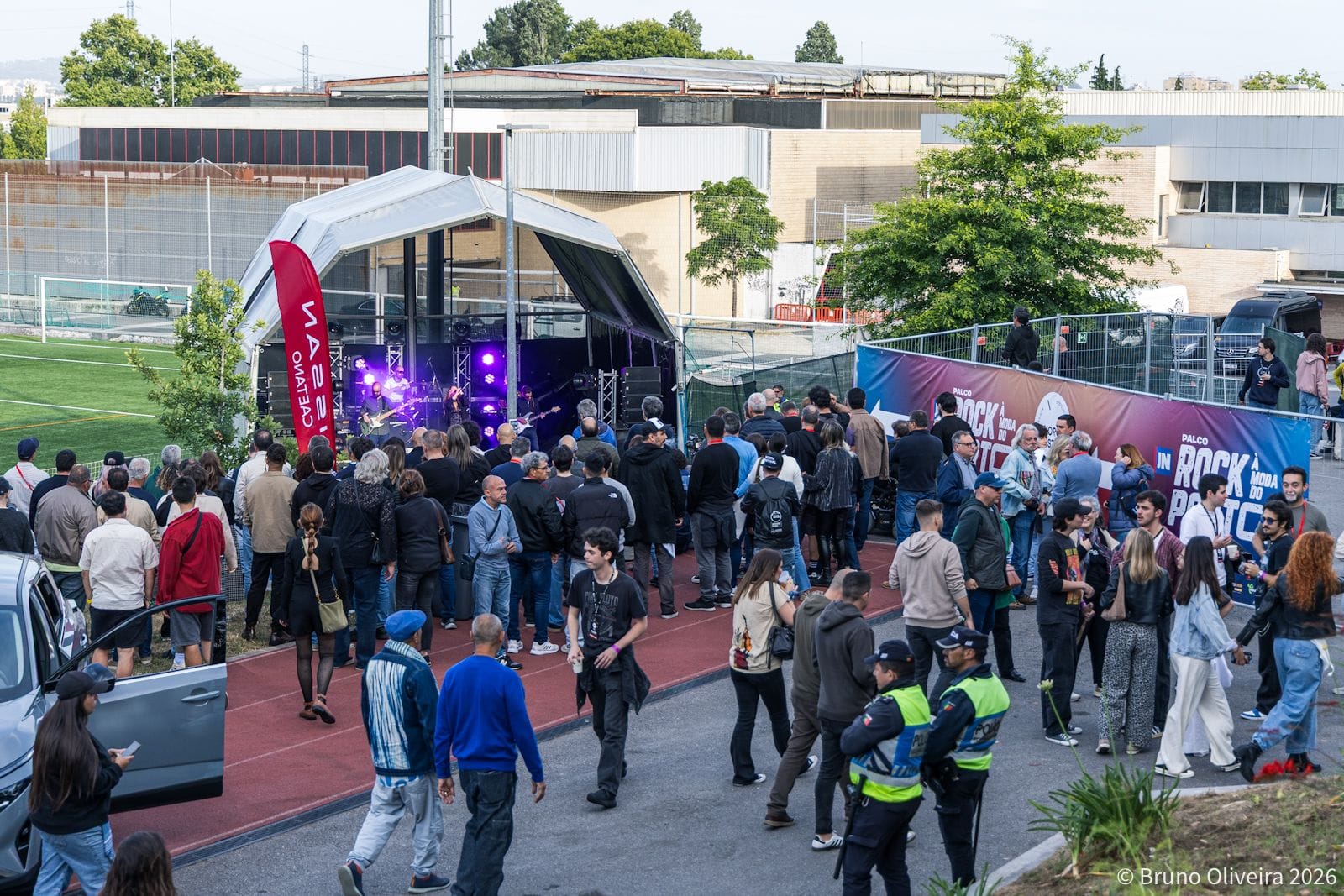
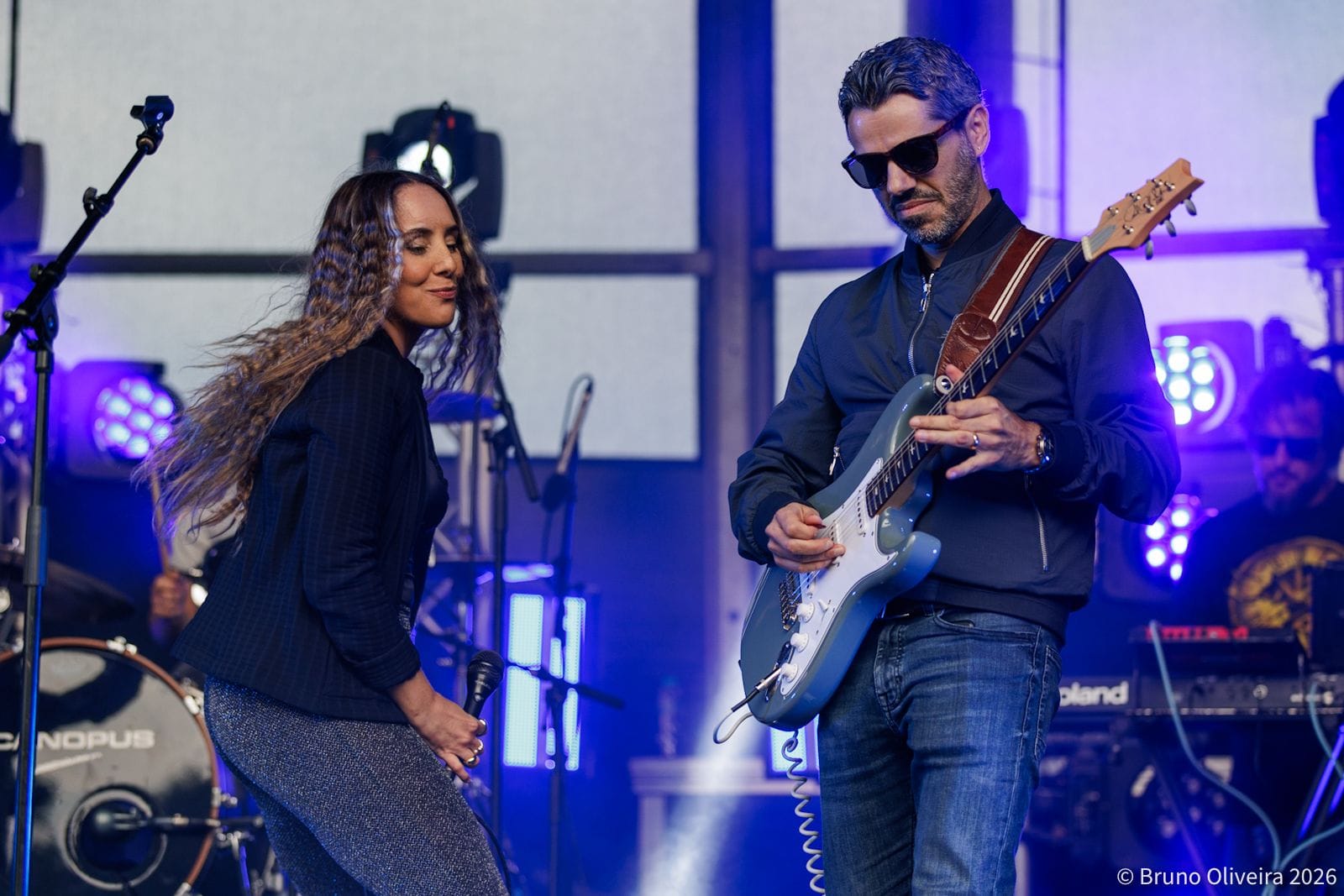
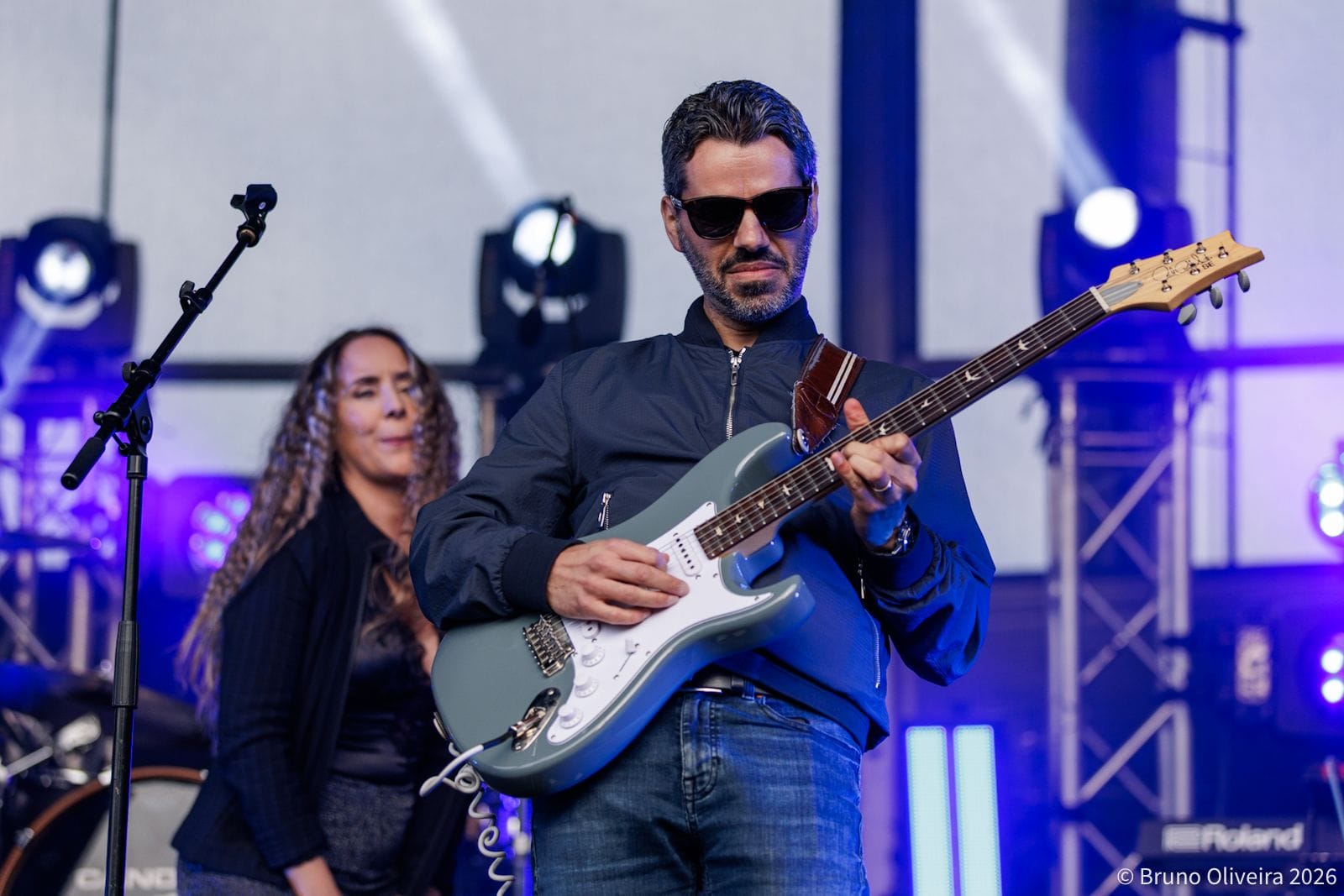
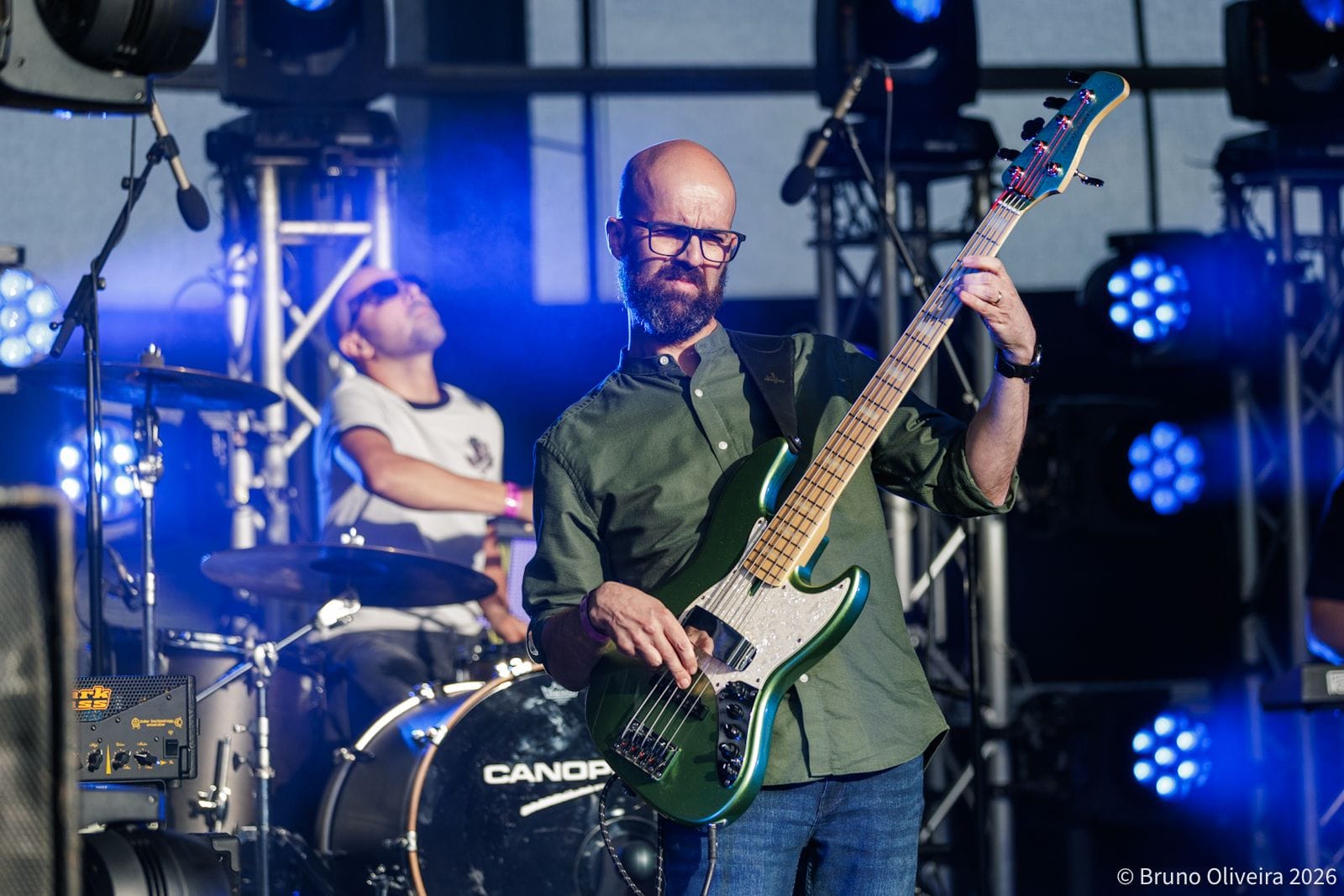
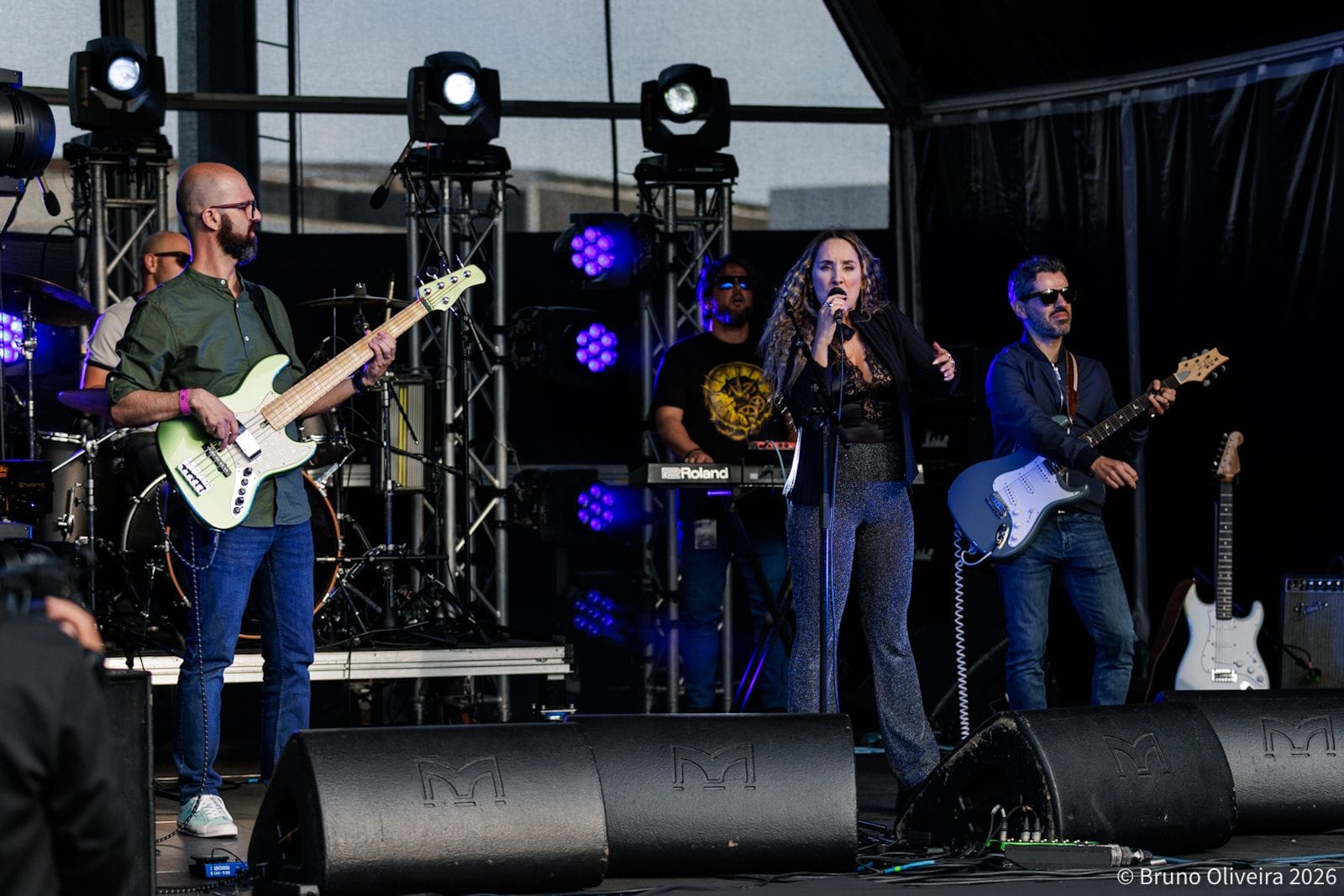
Times of Trouble close the JN Rock à Moda do Porto programme on Saturday, bringing a northern Portuguese presence to one of the new stages that most clearly defines North Festival 2026.
From there, attention shifted to a main stage that brought together very different registers, from Liniker’s soul-inflected contemporary sound to the enduring sweep of The Waterboys and the late-night rock release of Europe, a total progression across styles, generations and audiences.
Liniker arrives with a sound that moves easily between soul, MPB and pop, but what gives her music its real shape is the way warmth and emotional directness remain at the centre of everything.
Born in Araraquara, in the interior of São Paulo, she first broke through in 2015 with Cru alongside Liniker e os Caramelows, before deepening that path through Remonta, Goela Abaixo and later her solo records. That journey reached a new level with Indigo Borboleta Anil, which won the Latin Grammy for Best Brazilian Popular Music Album in 2022, making Liniker the first transgender artist to receive the award.
On stage, that background becomes a style built less on force than on presence. Her songs tend to open themselves gradually, through phrasing, rhythm and a voice that carries both softness and control, giving the audience something intimate without ever feeling small.
By the time CAJU confirmed her as one of the most visible Brazilian artists of the moment, Liniker had already become the kind of performer whose concerts depend on atmosphere as much as on repertoire.
In a line-up shaped by different eras and traditions, she brings the evening its most fluid and contemporary language.
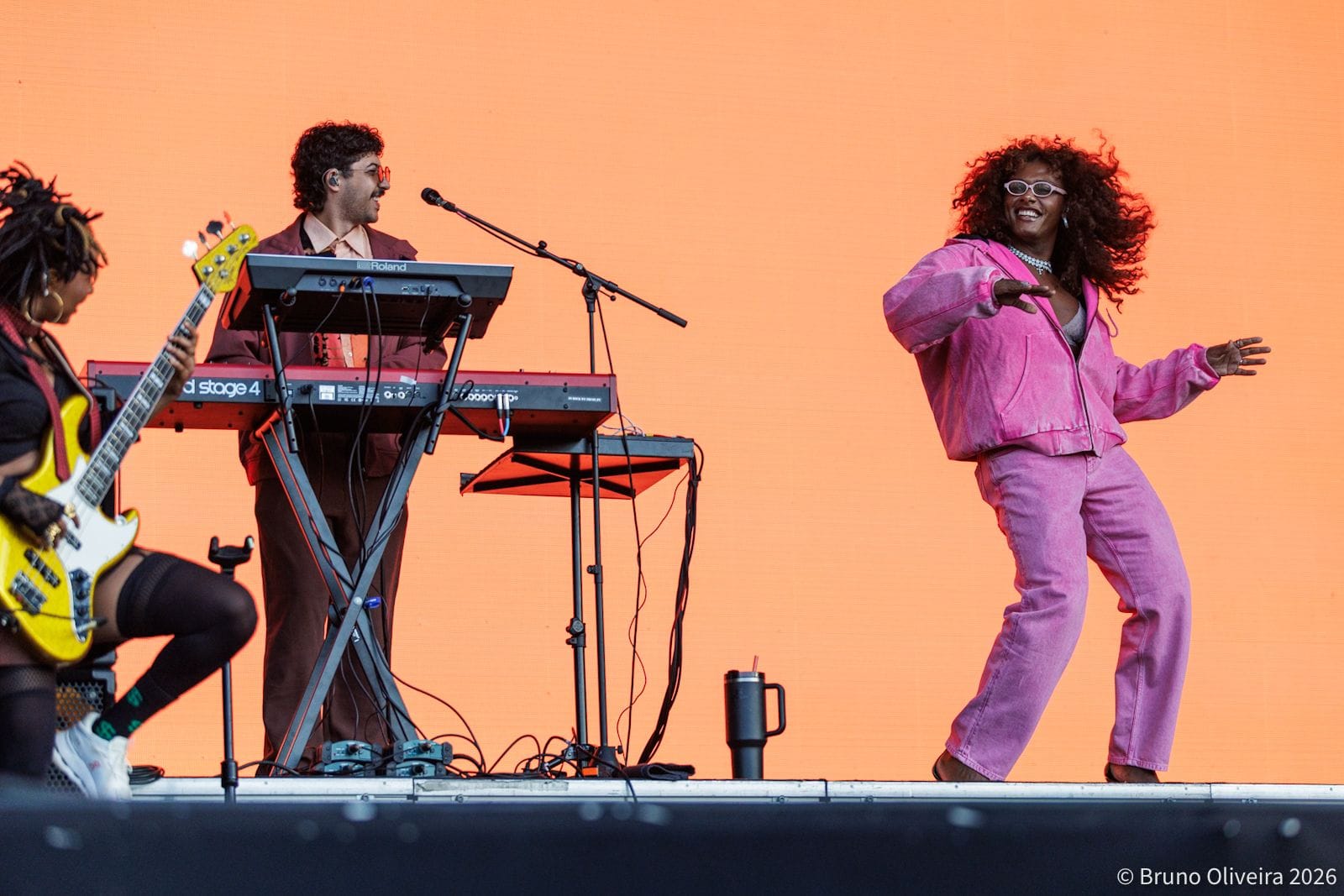
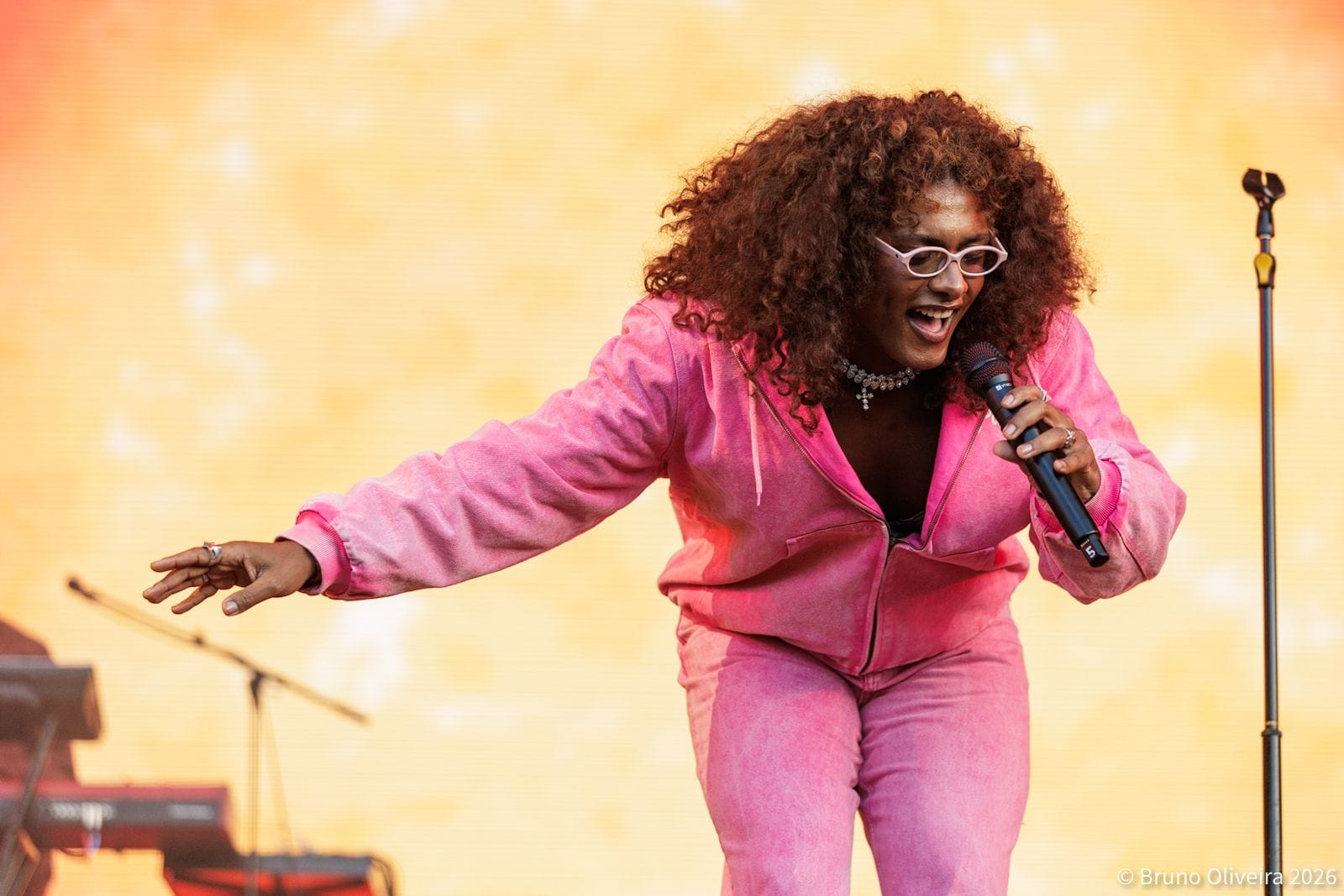
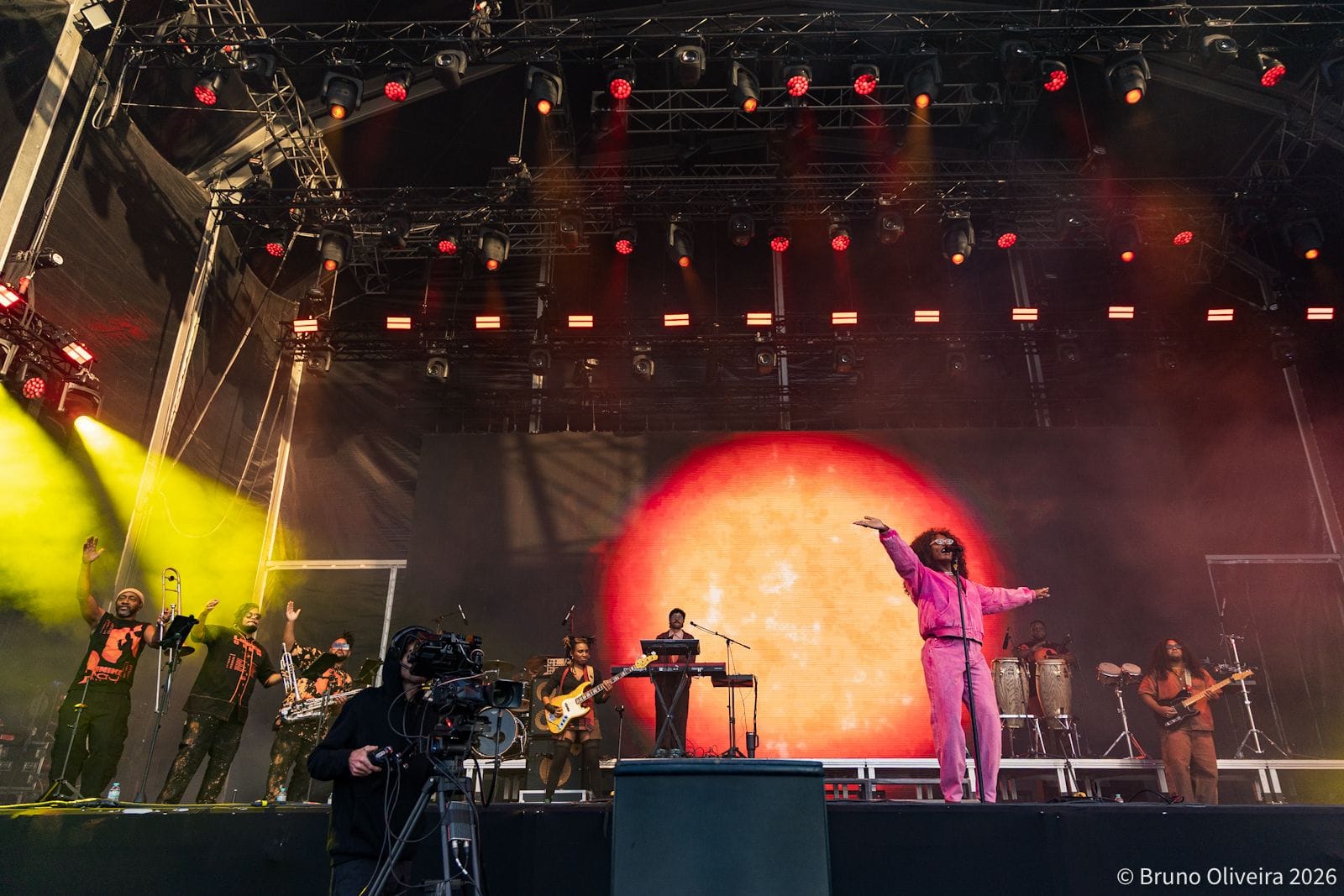
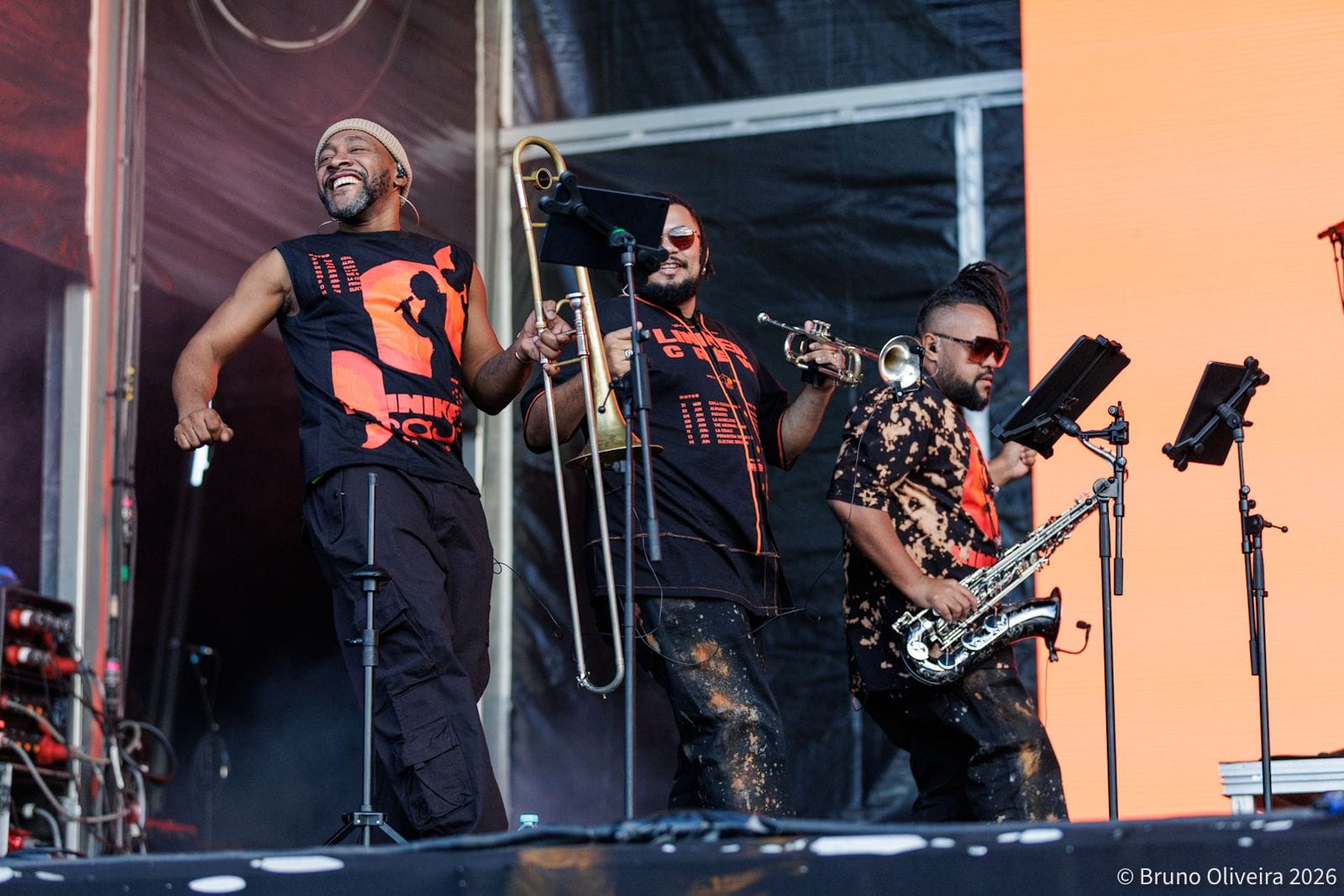
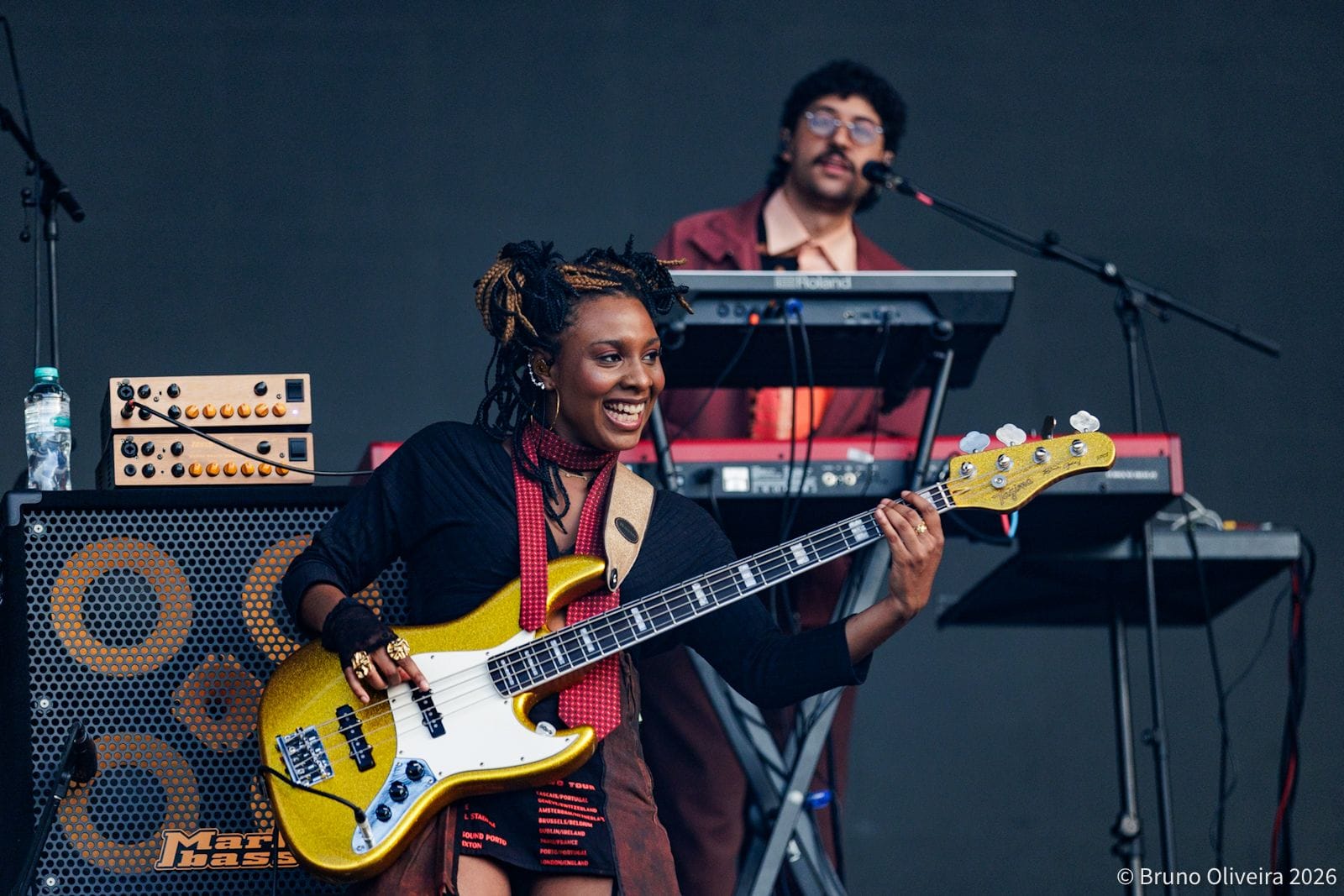
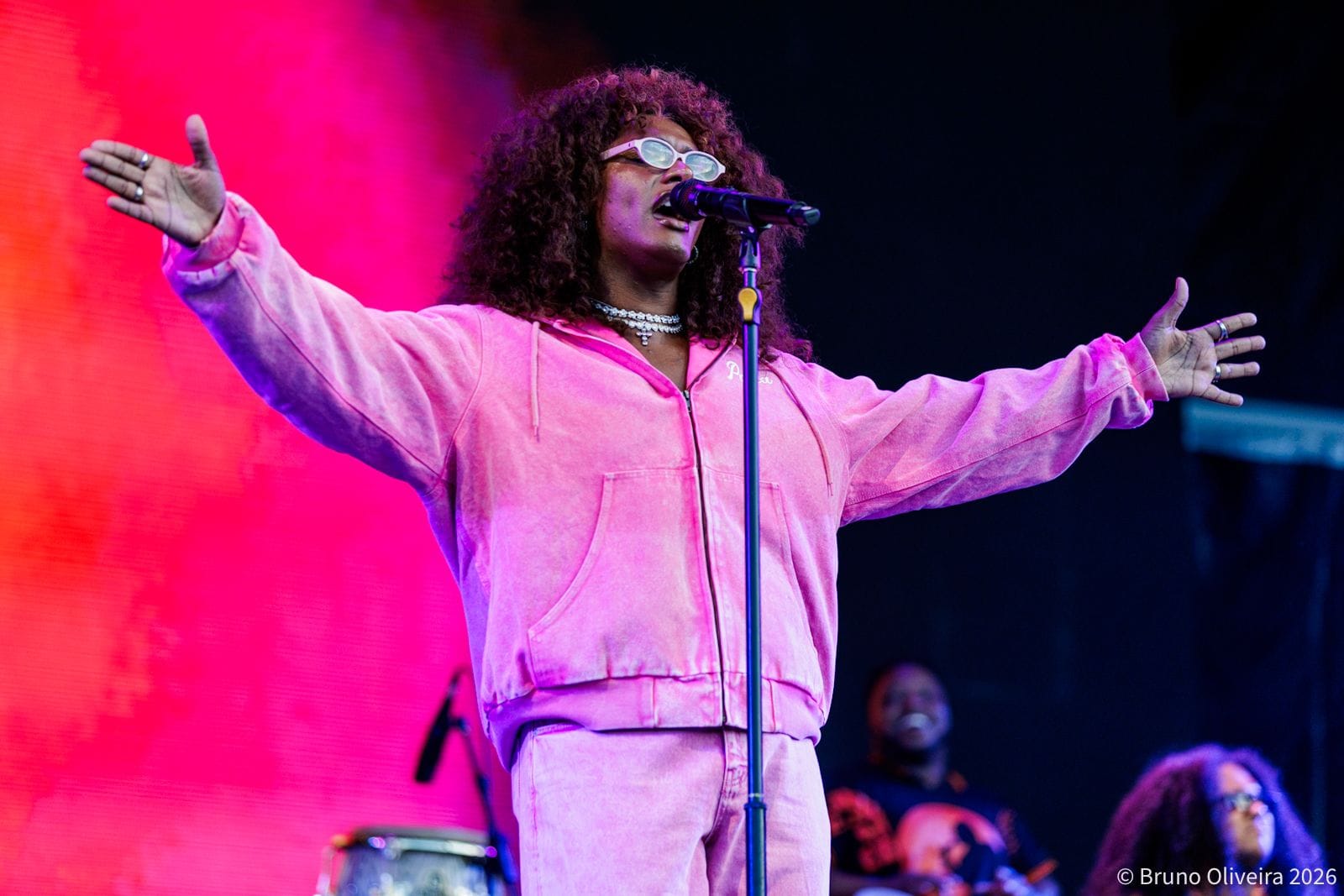
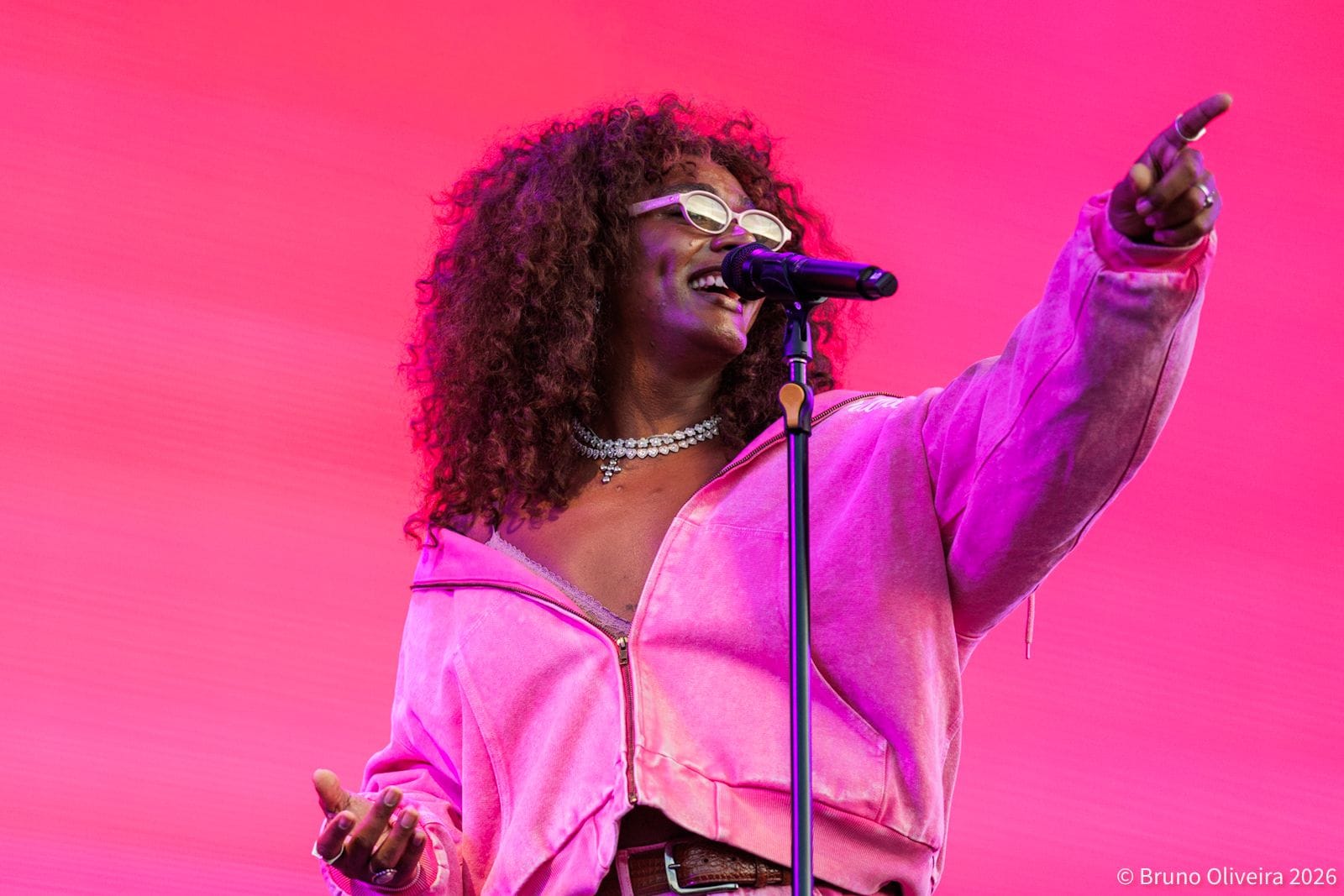
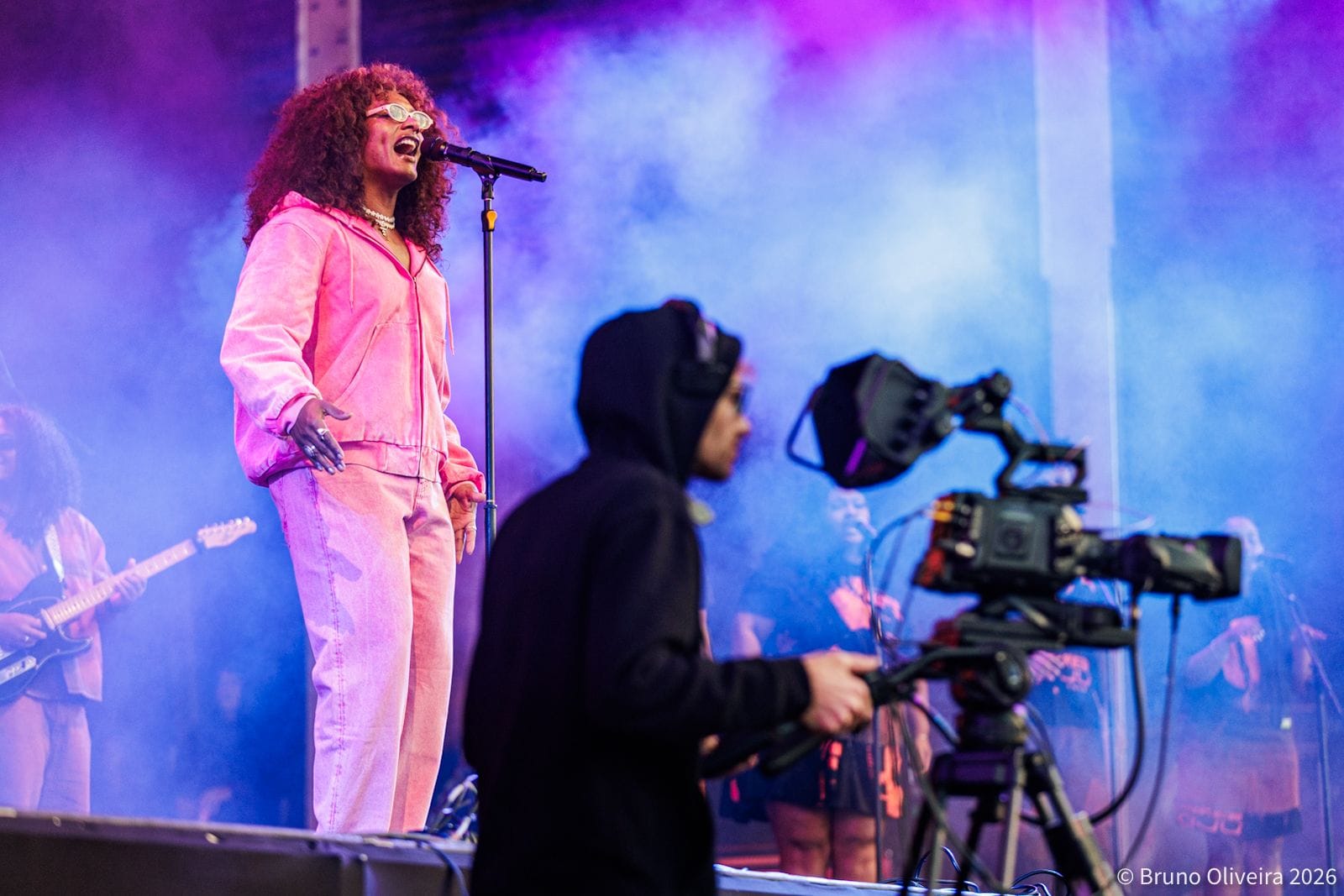
Liniker reaches Maia as one of the most distinctive contemporary voices on the programme, with a career that has grown to an award-winning solo work with international resonance.
The Waterboys belong to a different tradition altogether, one built over decades by Mike Scott through a catalogue that has never stayed still for long. Founded in 1983, the band grew out of a rock language wide enough to absorb folk, blues and Celtic inflections, creating songs that often feel expansive without losing their sense of detail.
That range is part of what has kept The Waterboys alive across generations. Albums such as This Is The Sea and Fisherman’s Blues did not simply establish a signature sound, they showed how the band could shift between grandeur and earthiness without sounding divided against itself.
That same elasticity still defines what they do in concert. There is history in the songs, but also a looseness that stops them from feeling fixed in the past, and the 2025 album Life, Death And Dennis Hopper is further proof that Mike Scott continues to think in large creative arcs rather than simple revival.
In the flow of the night, The Waterboys bring depth and movement, standing between Liniker’s emotional openness and Europe’s more direct rock release.
They are the act that gives the evening its broadest horizon, drawing from a long musical life without sounding trapped by it.
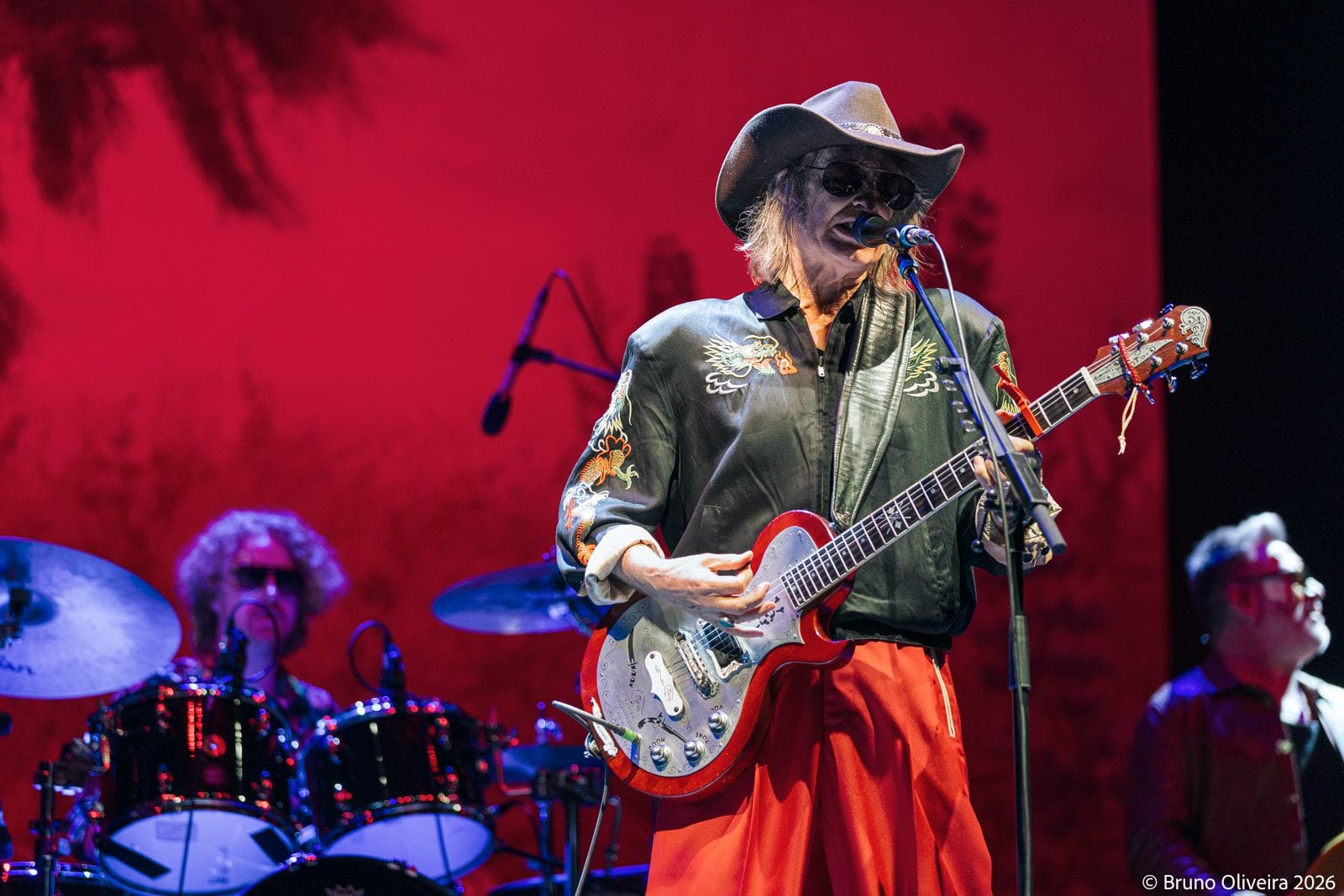
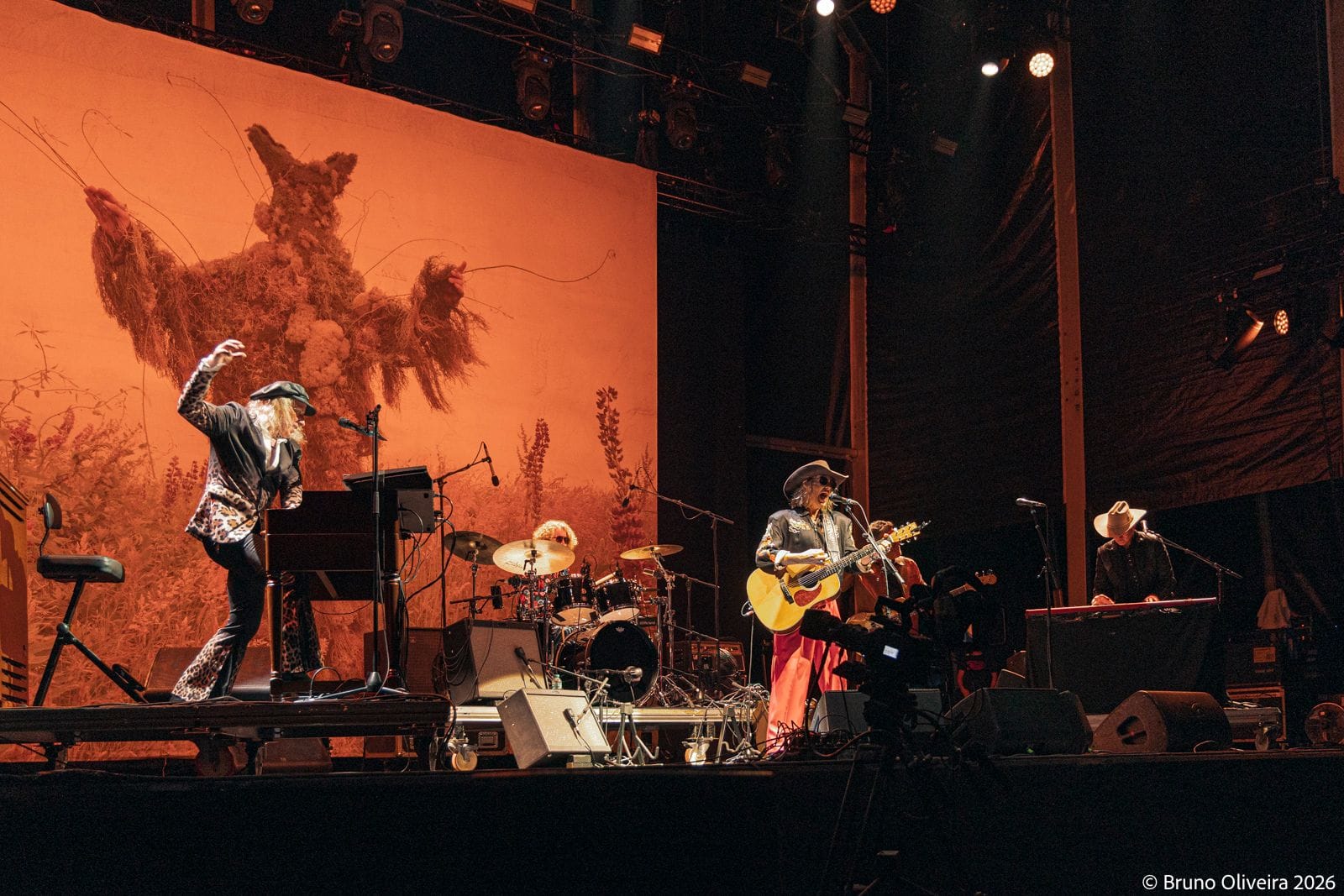
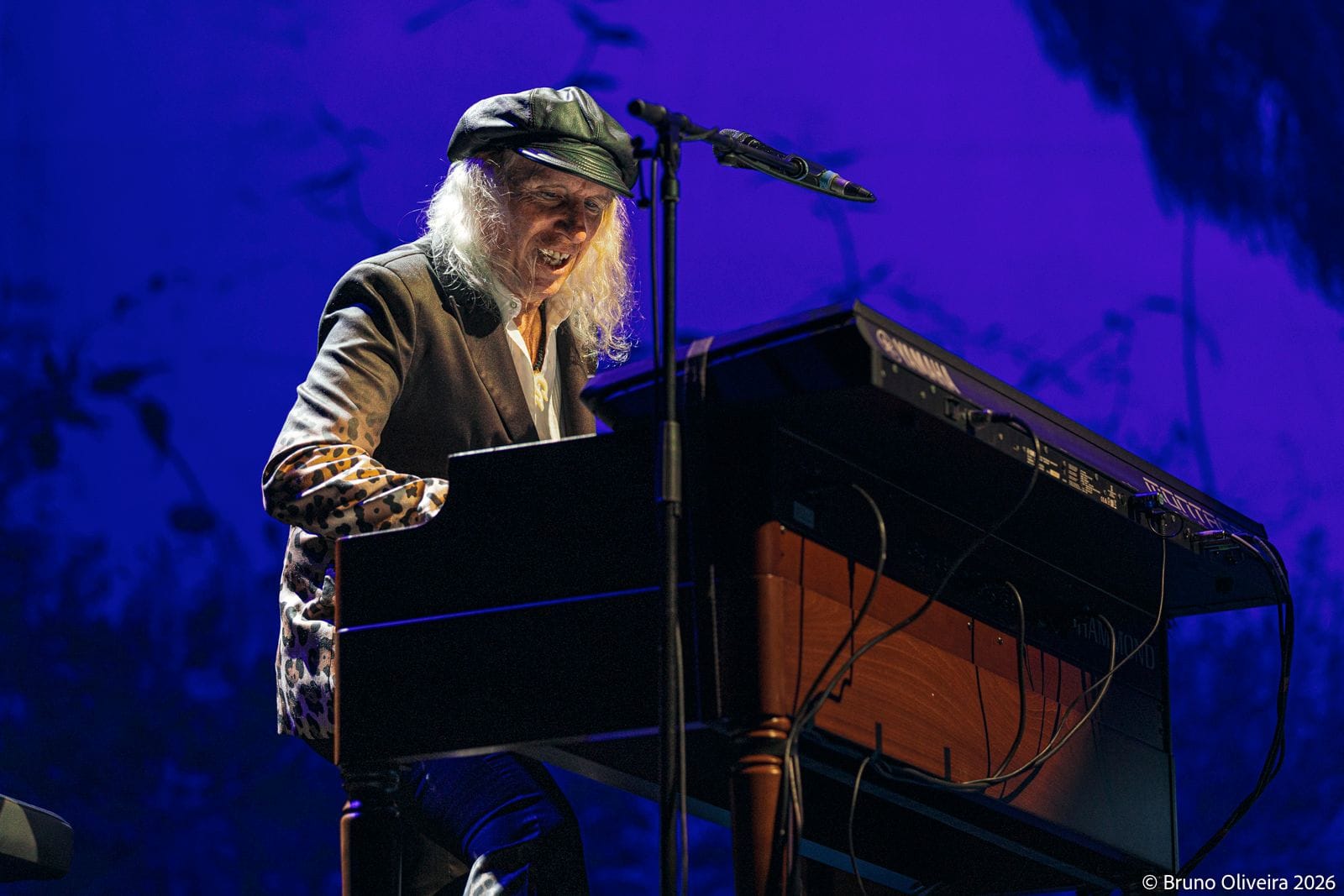
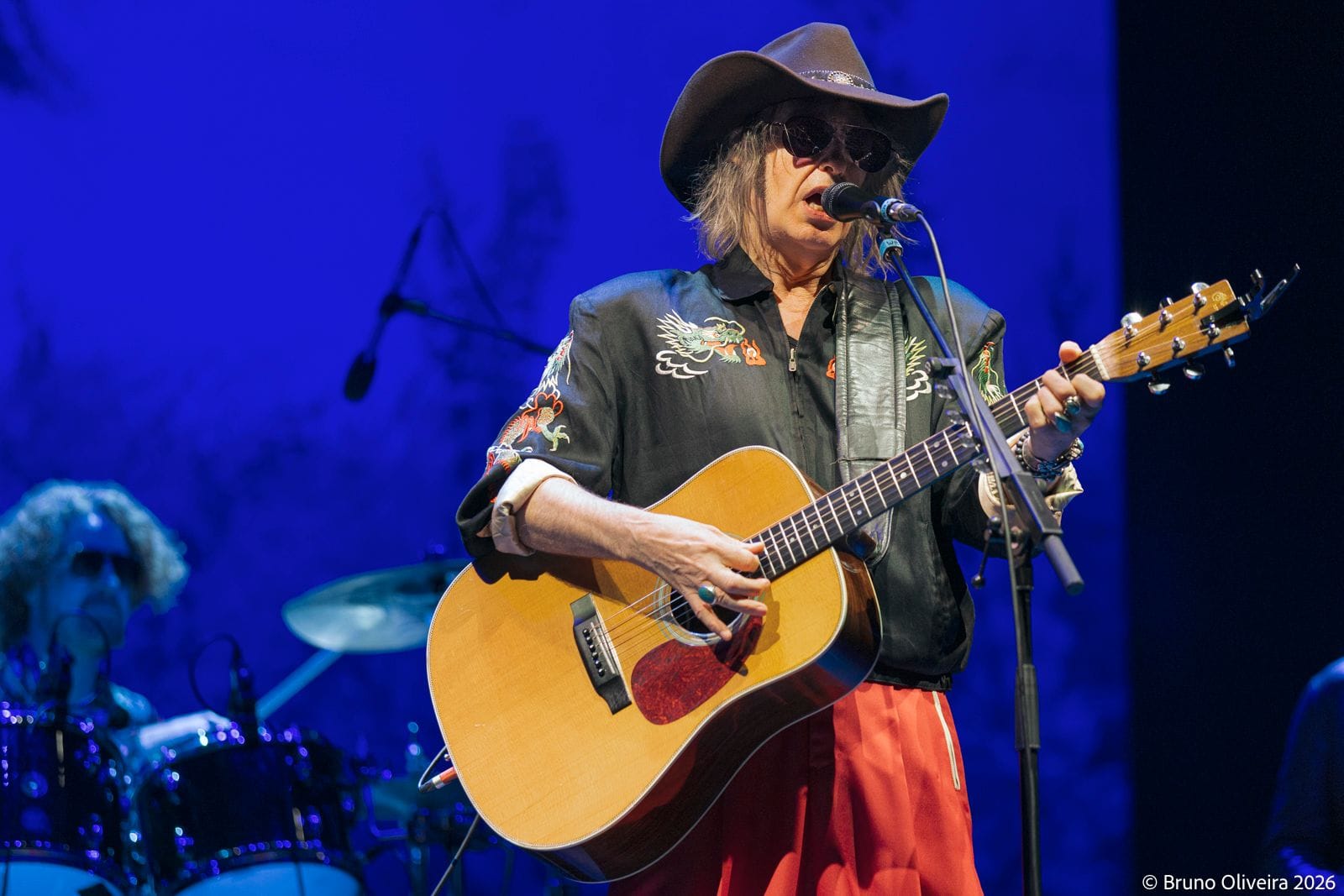
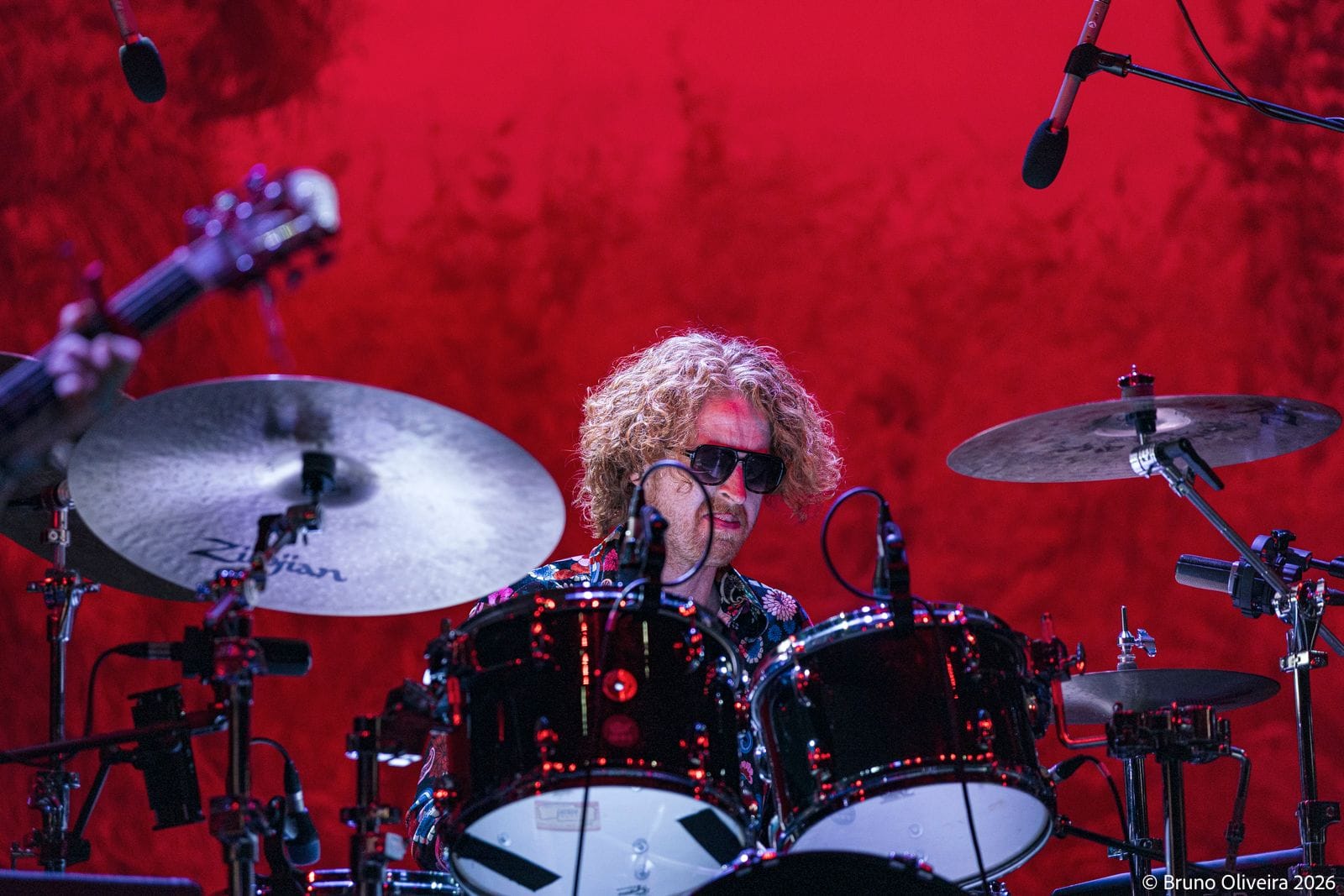
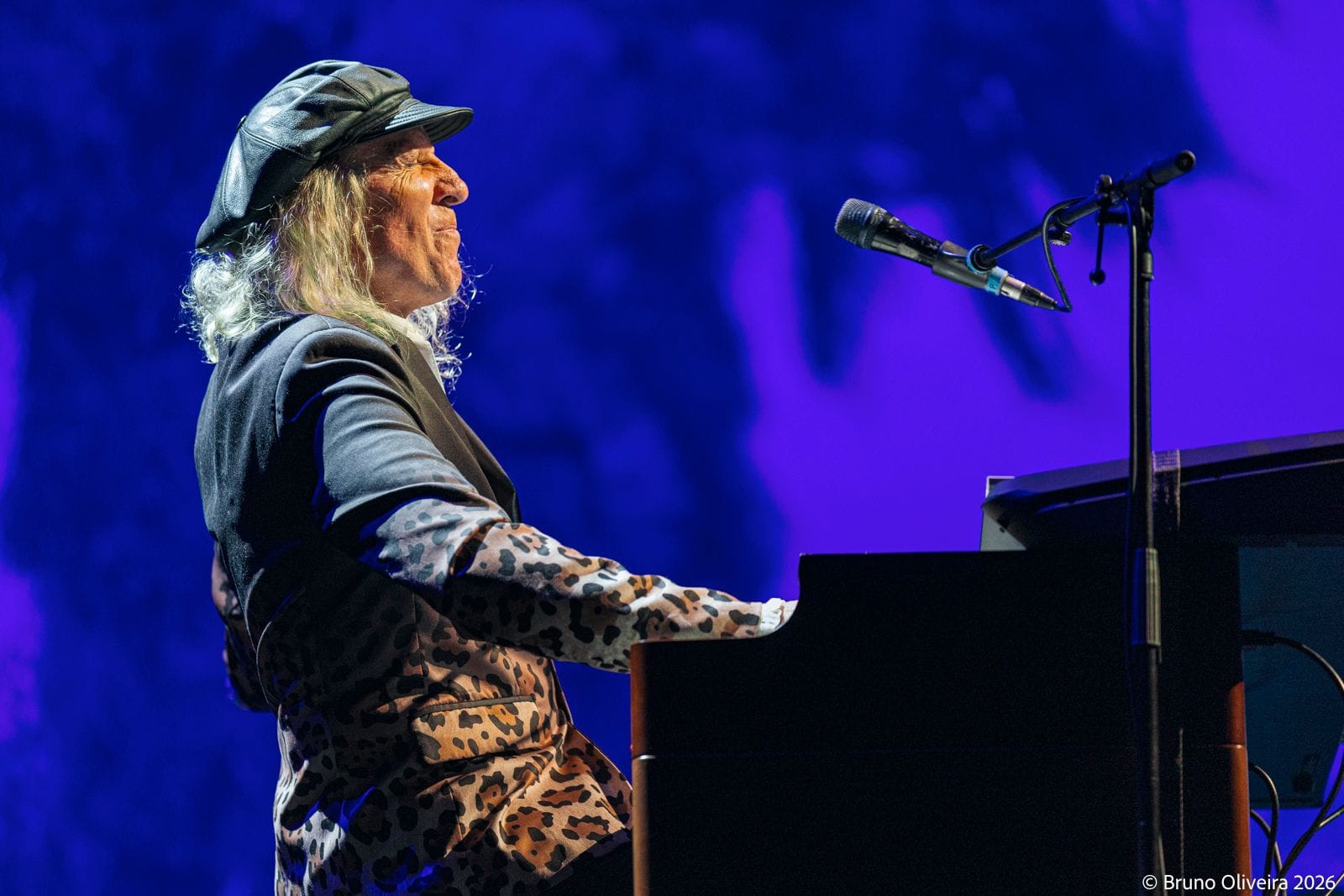
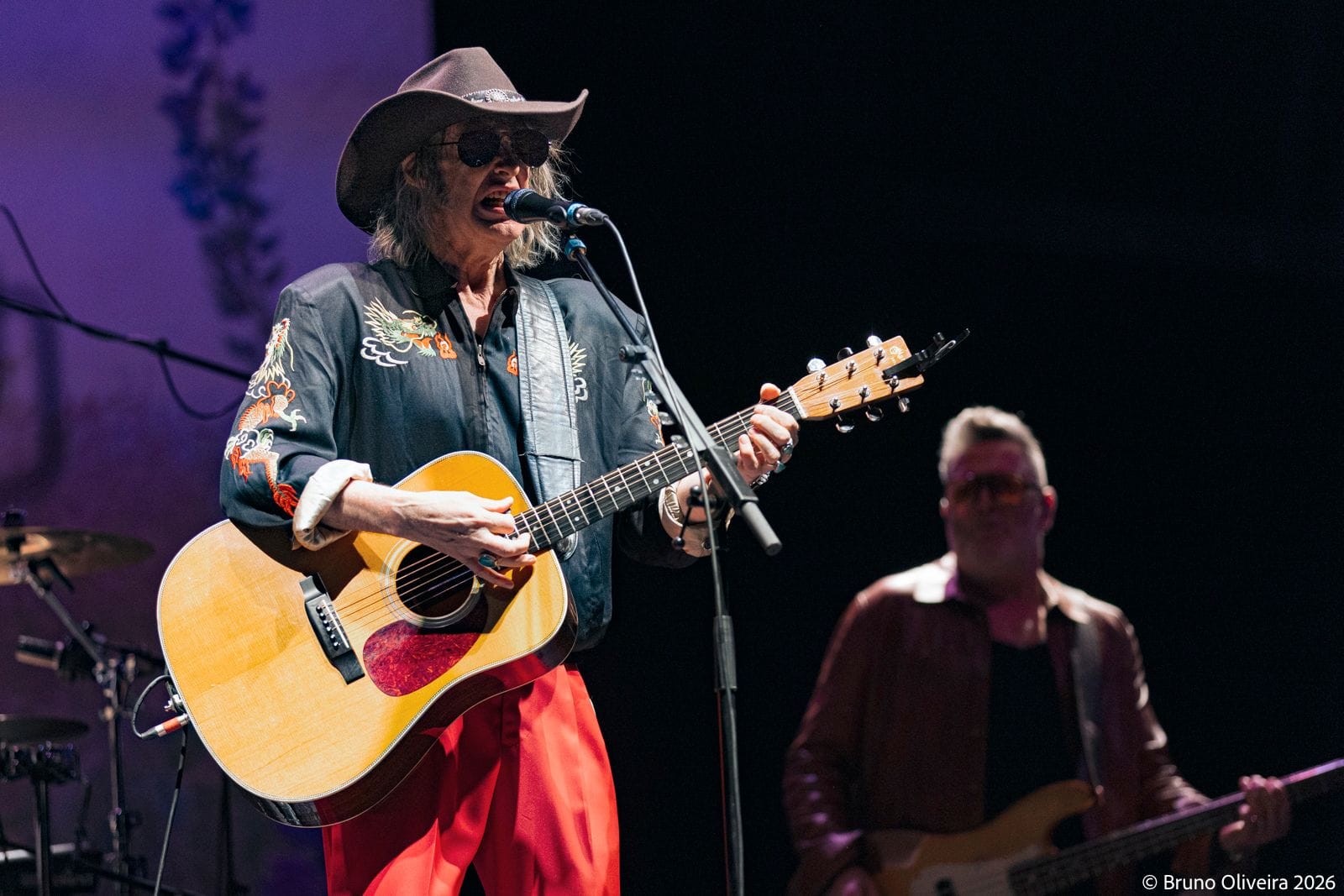
The Waterboys brought decades of reinvention to North Festival
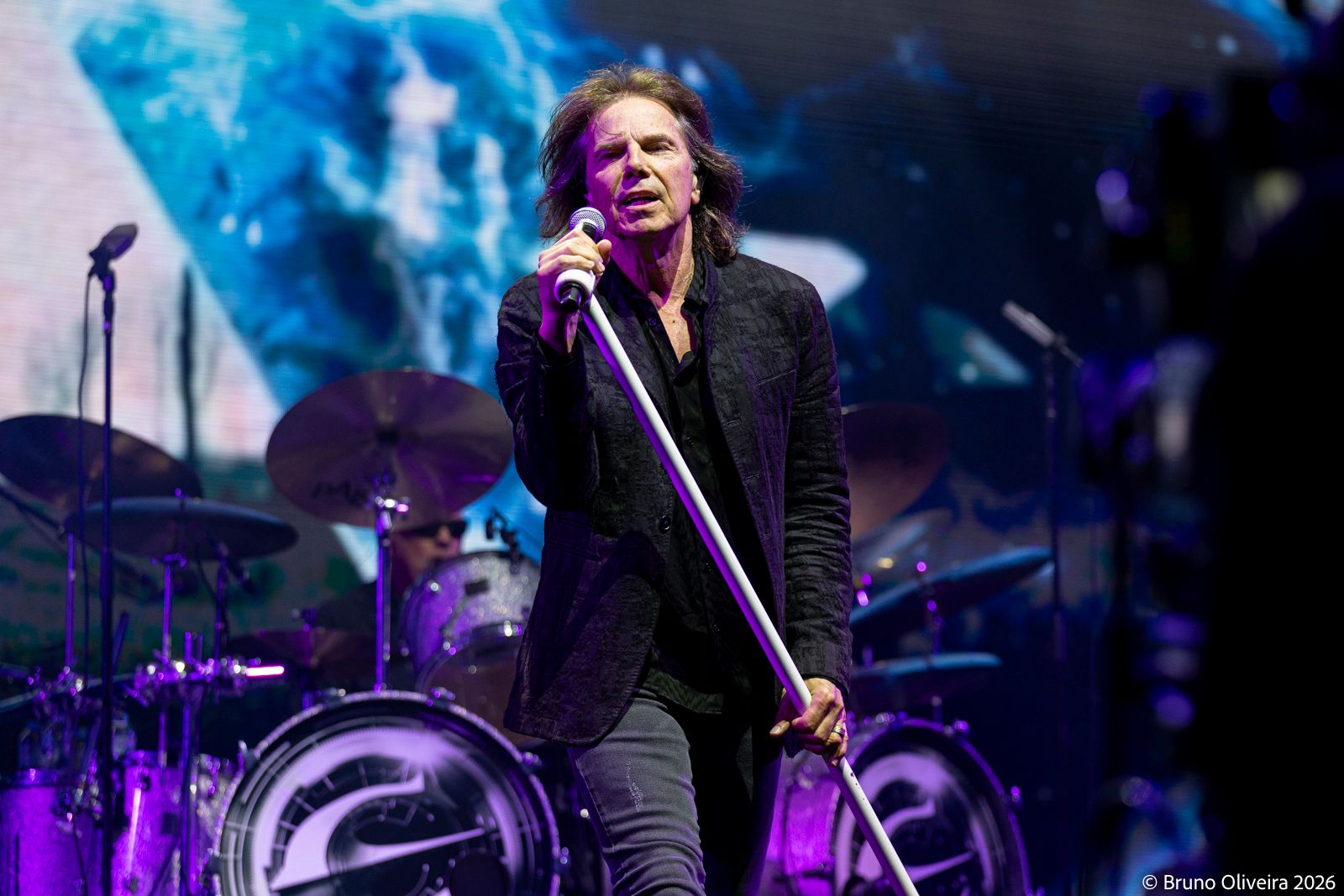
Europe arrived as the major highlight of the second day and closed the night with the presence of a band that knows exactly how to lead a festival crowd. The Swedish group, formed in 1979 by Joey Tempest and John Norum, exploded worldwide with The Final Countdown in 1986 and still defines a melodic hard rock sound that is immediately recognizable.
At the North Festival concert, Europe did not just revisit the past. They performed the two freshly released songs, One on One and The Cult of Ignorance, and proved that they still have new material to add to their catalogue. At the same time, the big hits also played, those that belong to the collective memory of people who grew up listening to choruses that seem made to be sung in unison.
The official lineup remains intact: Joey Tempest, John Norum, John Levén, Mic Michaeli and Ian Haugland. That continuity is remarkable and gives the concert a feeling of a live performance rather than a historical reconstruction. The group is not there only for reputation, but because the songs still work as they always did: they have momentum, they push forward and they do not need much introduction.
With guitars, keyboards, sharp guitar work and choruses that rise into the air, the concert had a very direct logic: little nuance, a lot of impact. After the more emotional dimension of Liniker and the more fragmented terrain of the Waterboys, Europe brought a more straightforward energy that turned atmosphere into collective reaction.
The concert ended with The Final Countdown, as expected. It is the track that gave them worldwide success and still remains the group's signature, the moment when the crowd joins together completely and the music seems to fill the entire open space of the festival. It was the natural closing of a night that stood out for its energy, for the choruses sung in unison and for the certainty that Europe can still be much more than a band of memory.
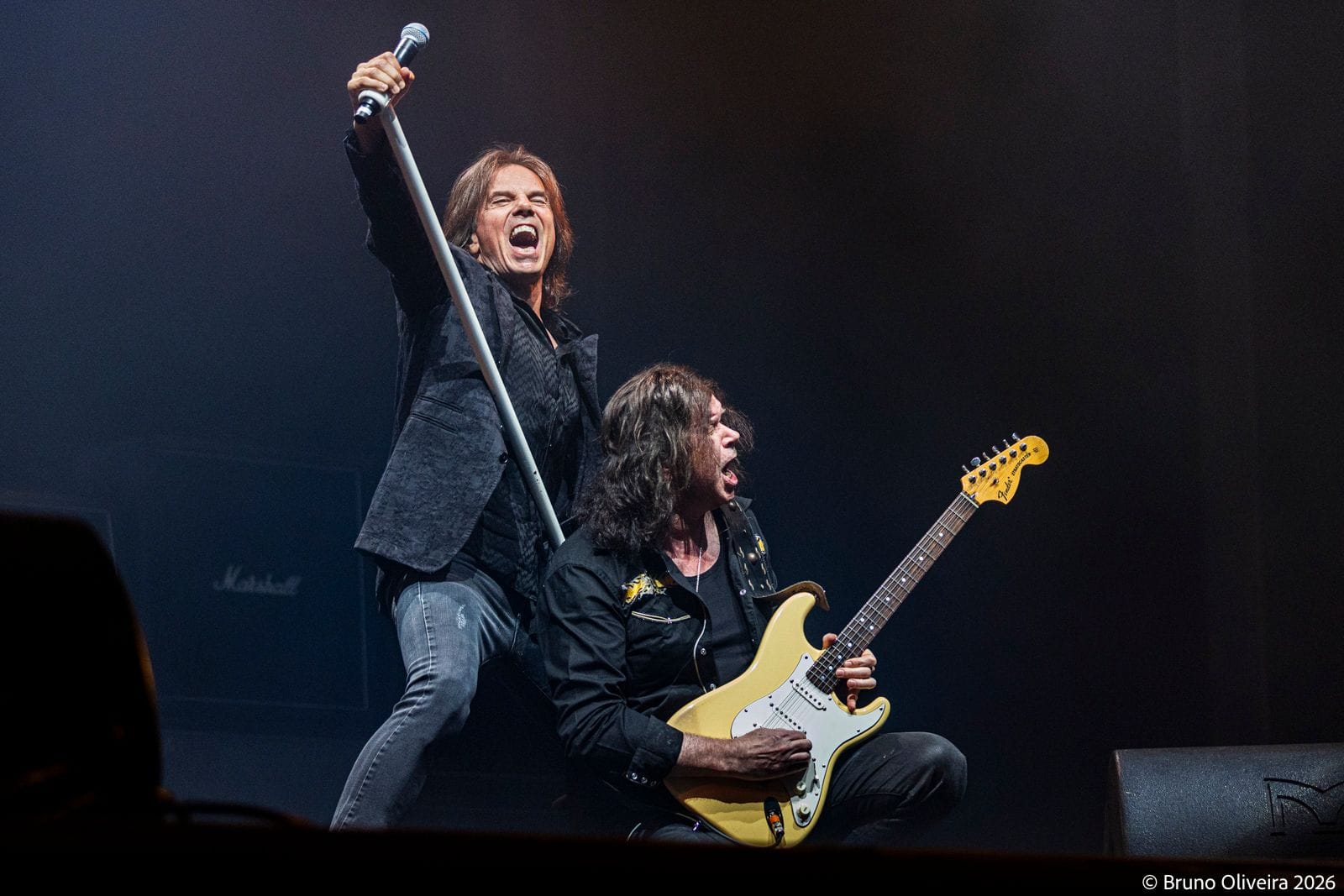
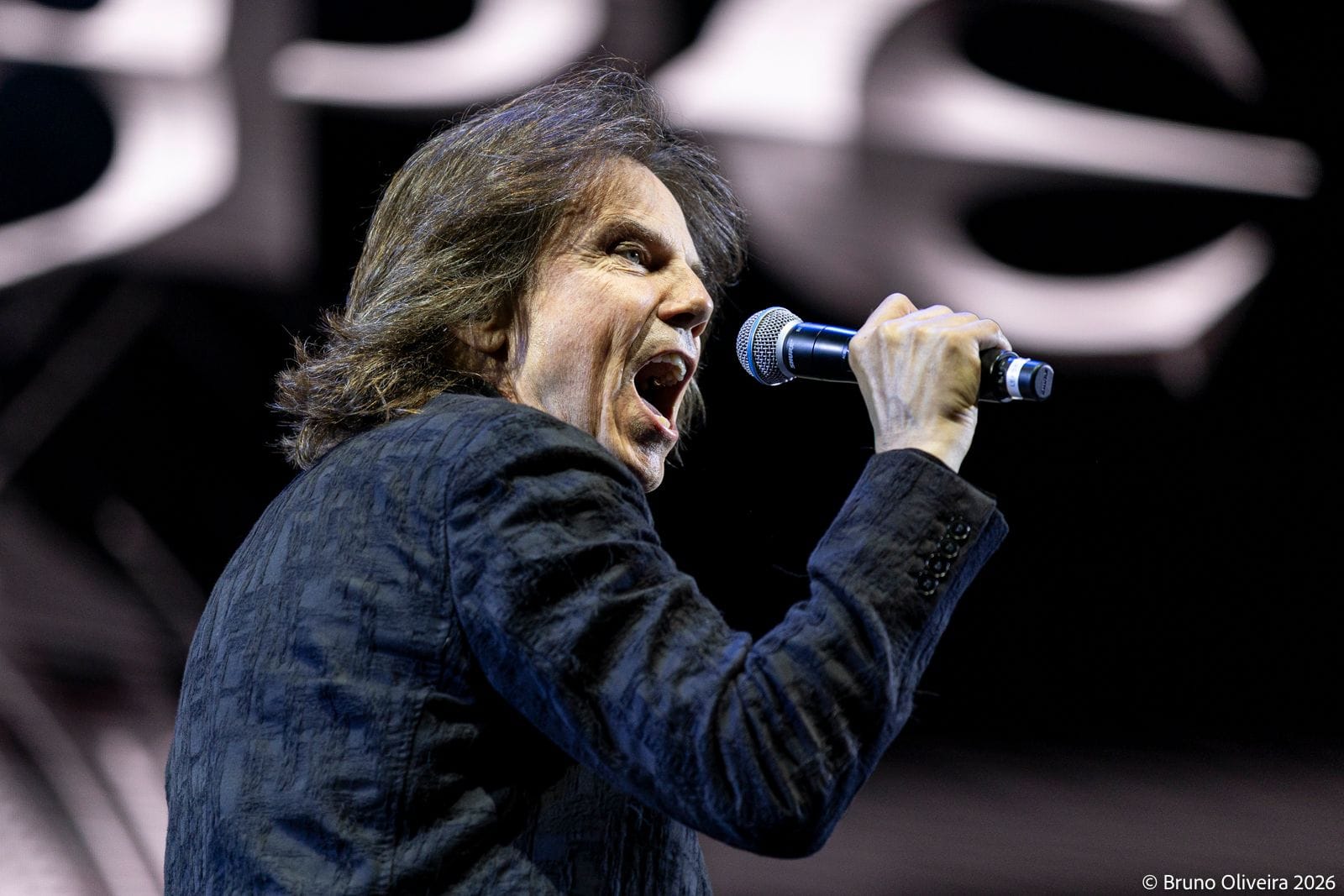
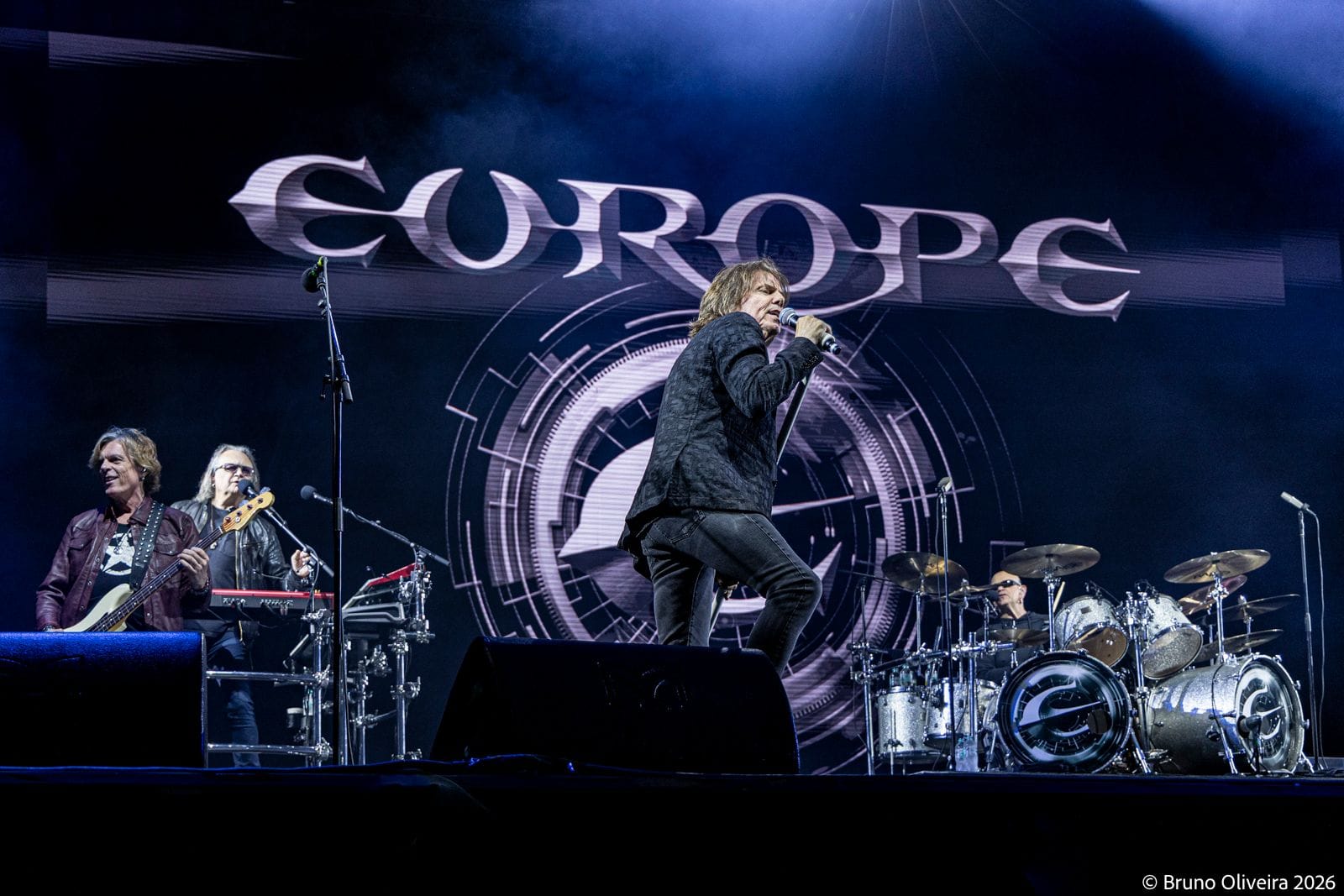
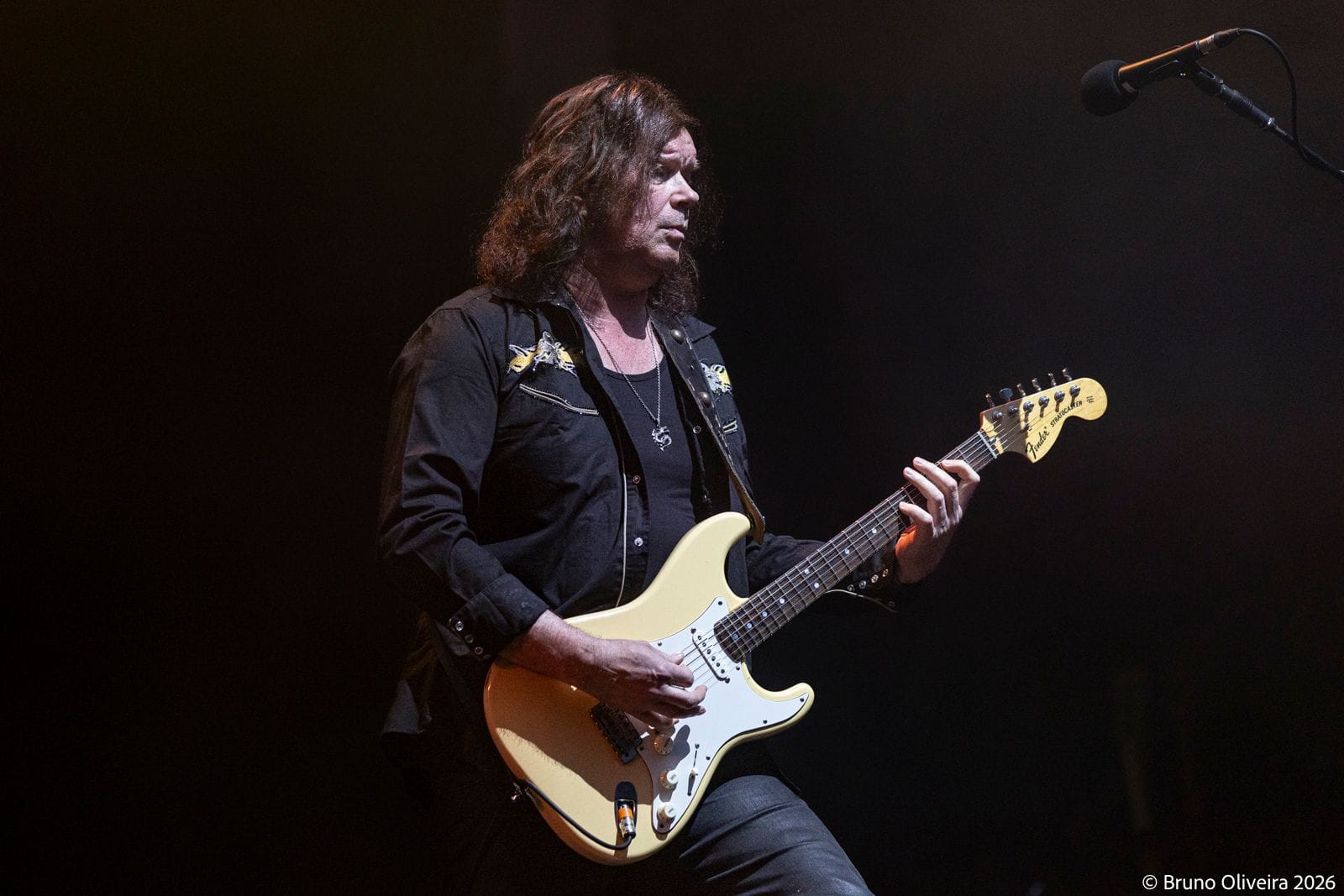
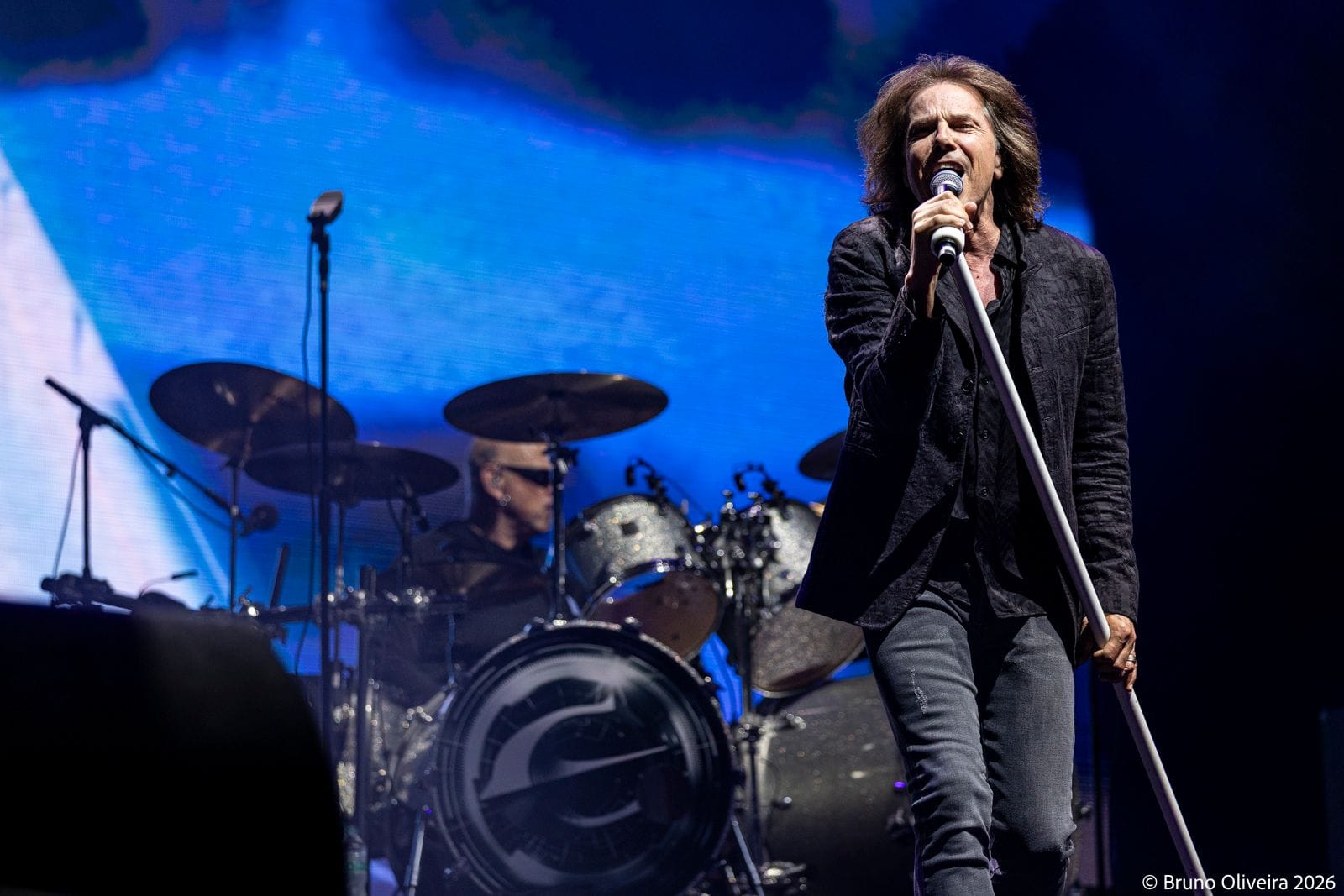
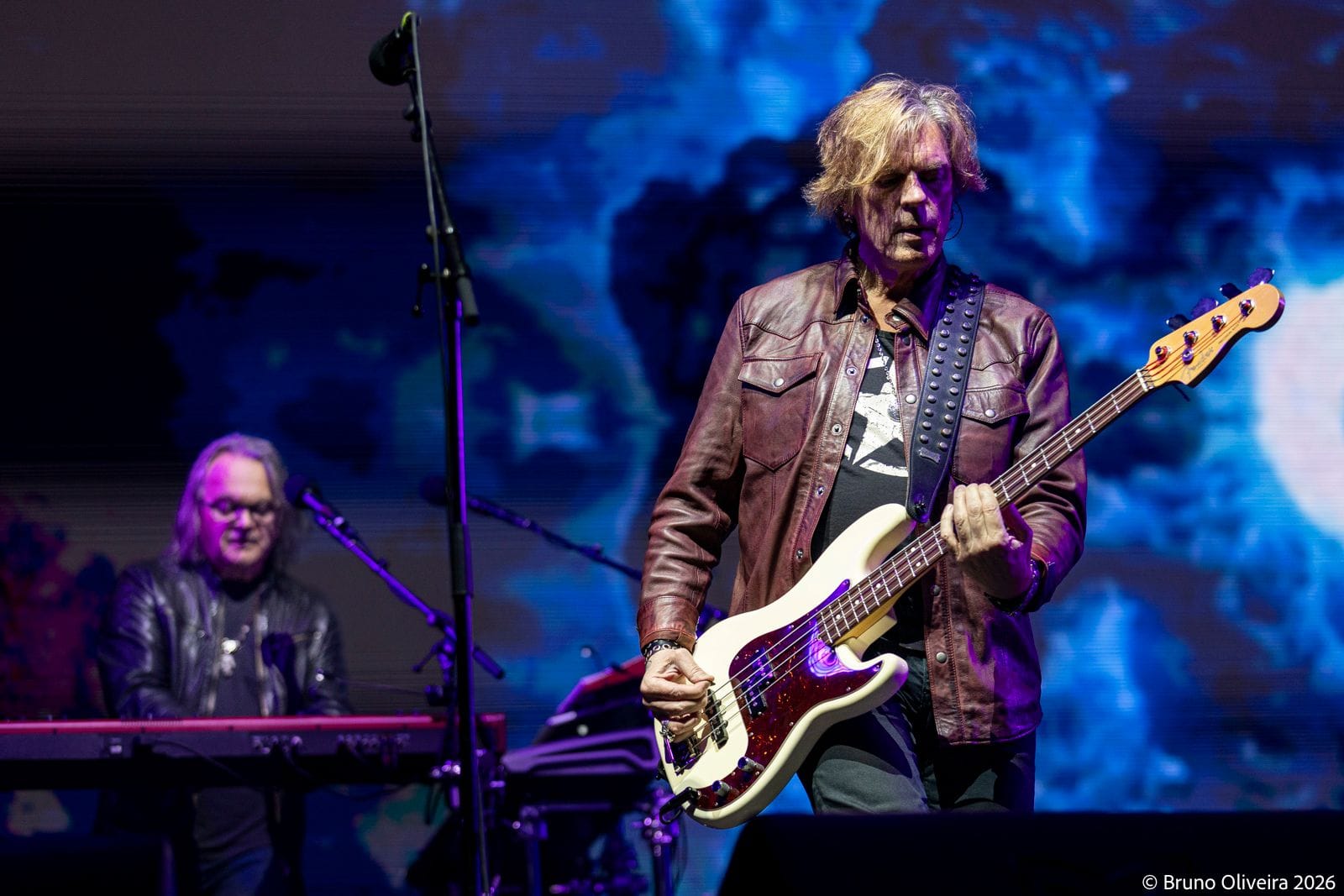
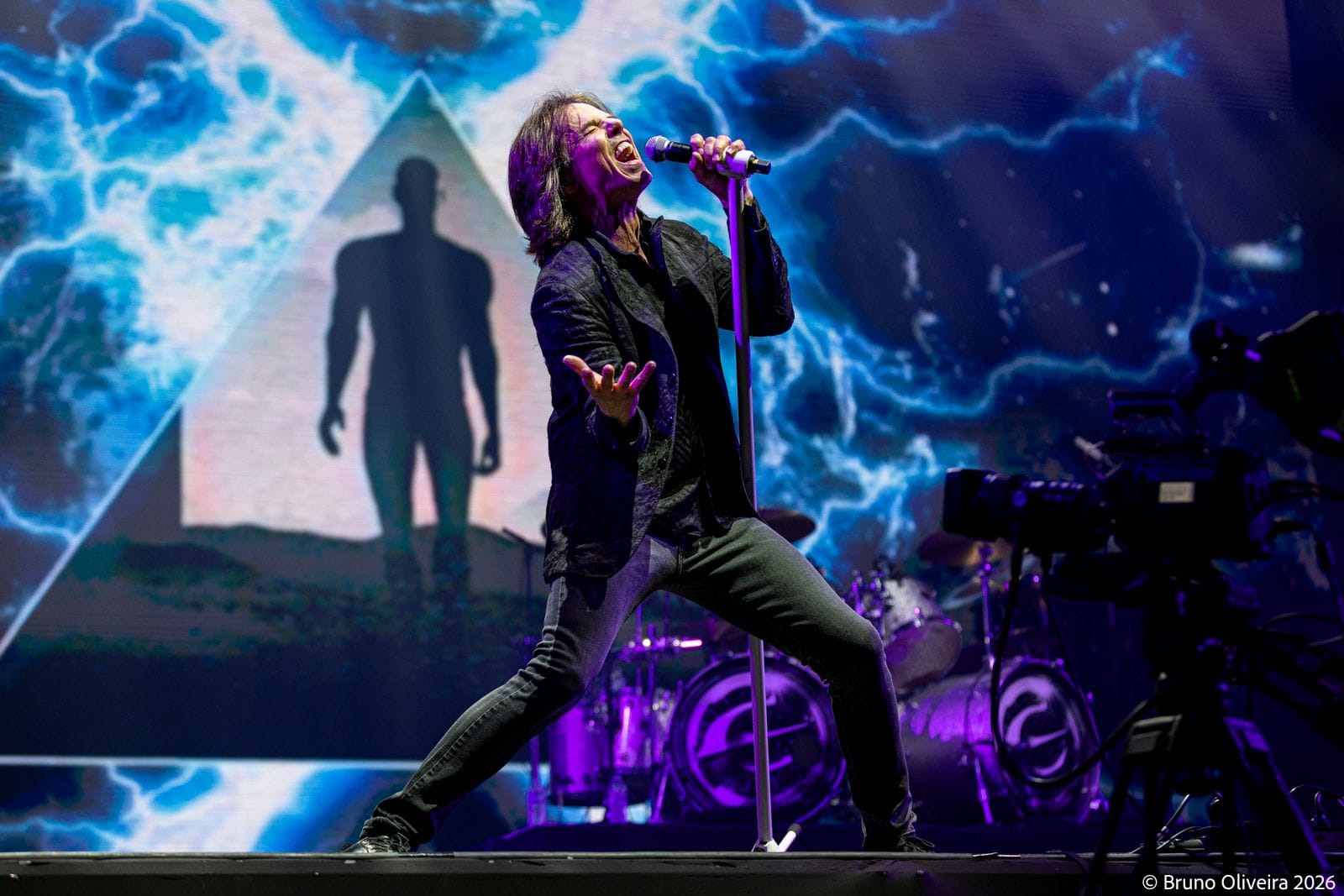
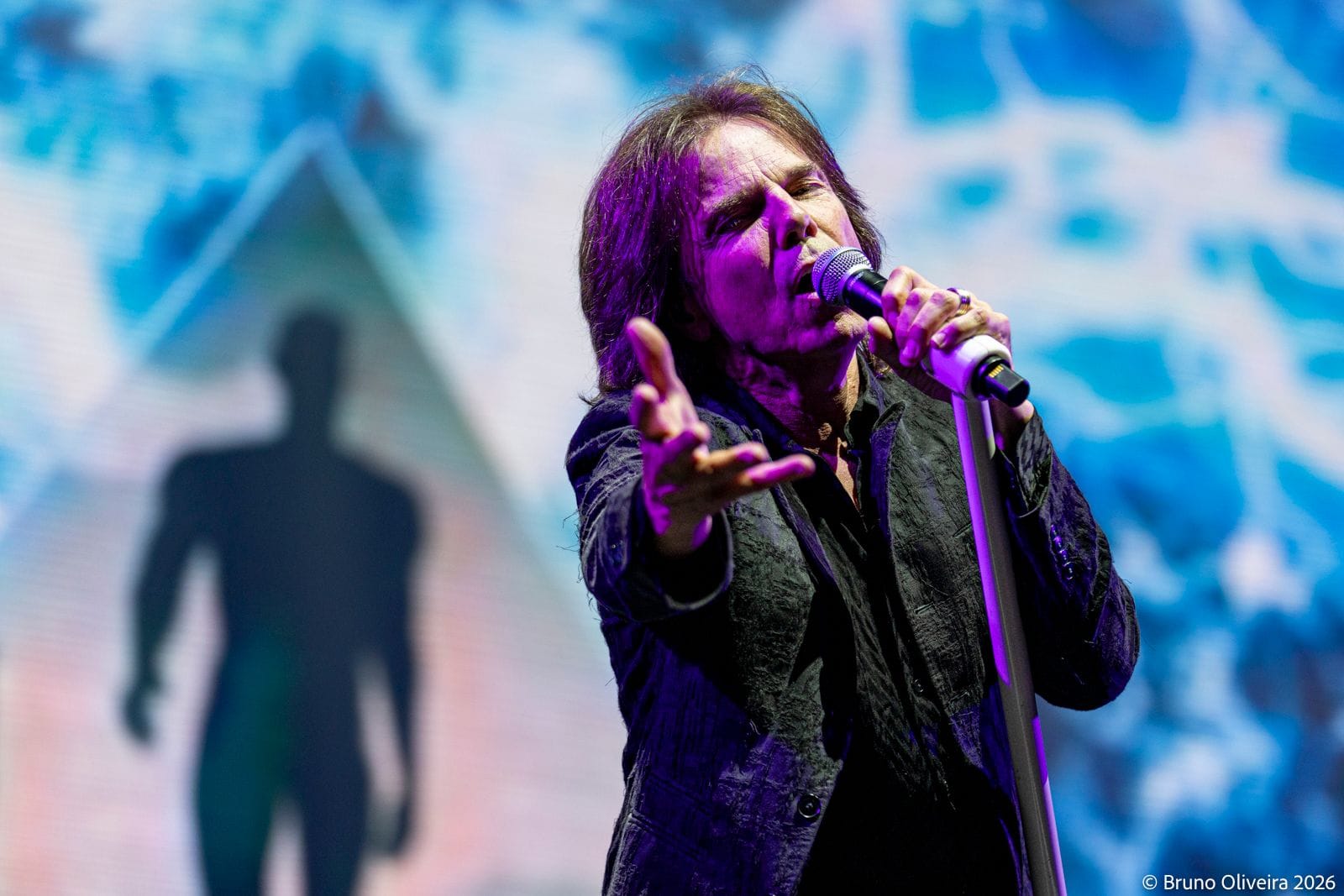
Europe headline with the kind of large, recognisable rock catalogue that gave the new Maia site one of its biggest moments of collective release.
What emerges from this second day is what North Festival 2026 is trying to become. The new Maia setting is presented as bigger, more comfortable and easier to reach, while the programming model combines international names on the main stage with a deliberate reaffirmation of Portuguese music on the JN Rock à Moda do Porto stage.
On one Saturday alone, it can move from the northern presence of Times of Trouble to the Brazilian depth of Liniker, from the expansive catalogue of The Waterboys to the late-night force of Europe, all within a format that insists on both scale and regional character. Together, they form a festival day that is broad enough to host internationally recognised acts, but still structured around a visible northern identity that remains central to the event’s self-definition in 2026.
All rights reserved by PortoBestCity. Any copying, reproduction, editing, or reuse of the photographs and images from this coverage, including on social media or other websites, is strictly prohibited without prior written permission.